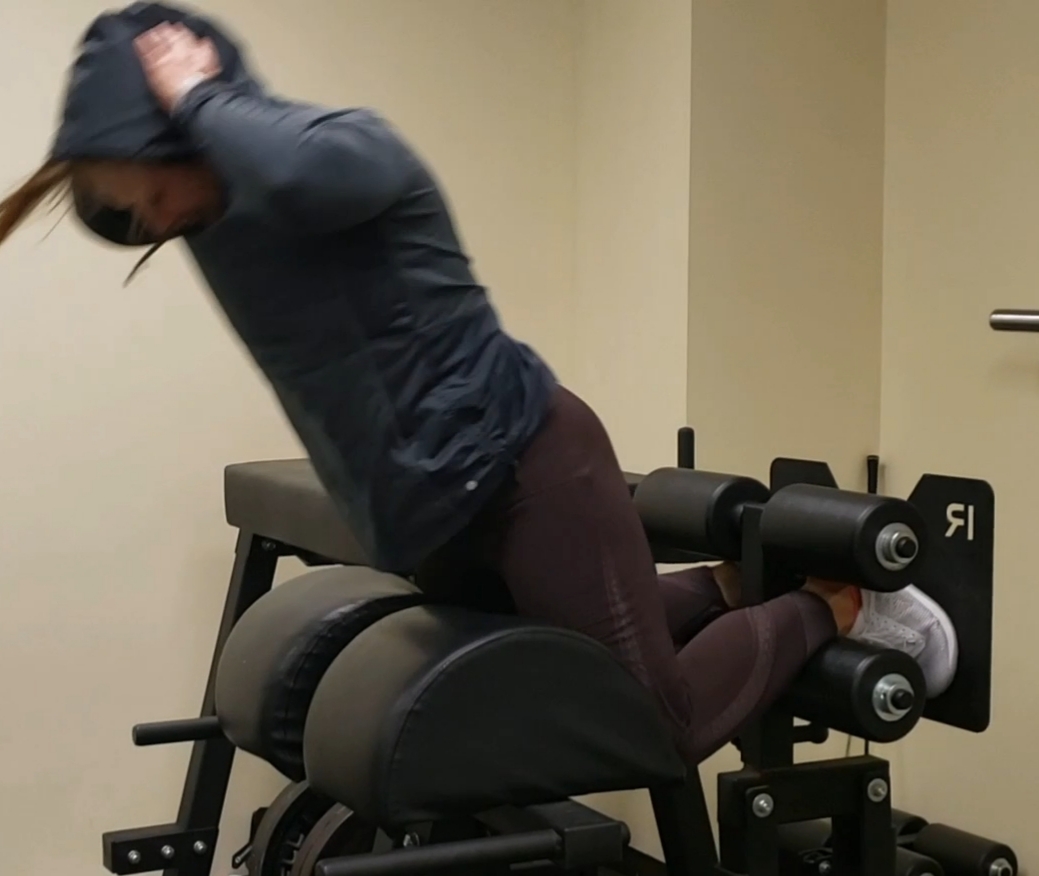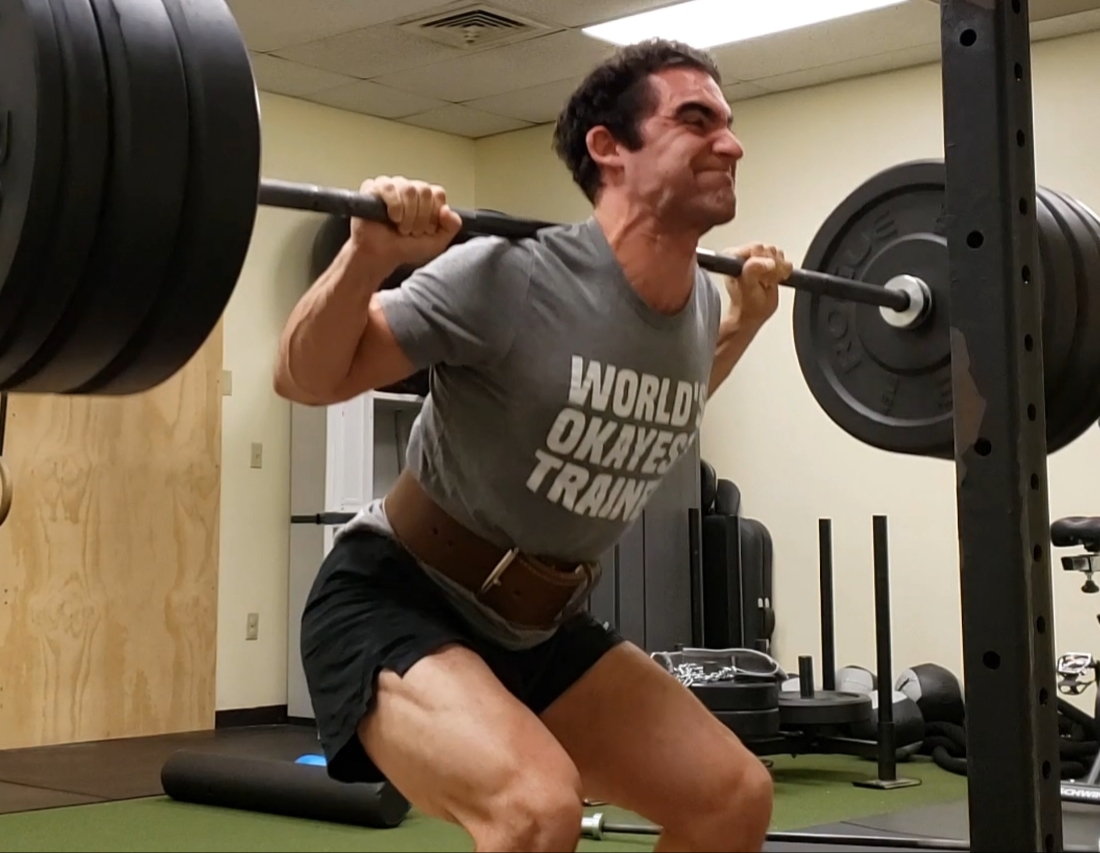
Have you ever…
- Lowered or shut off the volume in your car while driving or parking so you can focus?
- Told someone to quiet down so you can concentrate?
- Noticed the lack of sound in high level golf, pool, or olympic weightlifting, etc.?
Maybe it’s tradition. Maybe it’s that these activities are generally performed in a quiet setting (so a sudden noise can be extremely distracting). Or maybe these circumstances will change in the future and resemble more of a CrossFit and Powerlifting environment with constant background noise.
Either way…
- Lifting in as much silence as possible can increase mental attentiveness. It can make you more aware of your environment, give you a different experience/results, and eliminate distractions which can drain your energy.
- I know some of you might be thinking, “I would get bored”, or “I need something to motivate me (like music, videos, podcasts, or people. etc.)”, however this can explain a lack of presence and focus.
- There are benefits to lifting both with and without intentional stimuli. But since I haven’t seen “lifting in silence” talked about or documented, I felt the need to make you aware of this strategy I often use with clients and myself.
BACKGROUND
Over the last fifteen years, I’ve been lucky enough to train both clients and myself in just about every environment possible. Here are some examples…
- By myself.
- With training partners, sports teams, random spotters at the gym, groups of people that bring different types of energy (competitive, easy going, pissed off, funny, etc.) and more.
- While listening to podcasts, music, videos and the like, at low to high volume levels.
- While completing other tasks (doing work, answering emails, phone calls, learning songs for gigs, cleaning, etc.).
- At colleges, schools, commercial gyms, in basements and run down areas, at high end facilities, at home, in private settings, at my own gym, outside, with animals around, etc.
- From extreme heat to freezing temperatures, in the rain, and more.
- From being pain free and feeling amazing, to not being able to move my neck and throwing up in between sets.
- In the dark.
- With no sound or distractions at all.
I think you should give all of the situations above a try as there are pros, cons, and uses for every one of them.
You’re probably thinking…
I can see many people reading this thinking something like, “I don’t care what this is about, I need something like music to get me in the zone”.
However, this may mean that you’re not able to get fully involved with or focused on what you’re doing.
When you’re training and you think about anything other than what movement you’re performing (e.g. what you need to do later, the song, video or podcast playing, when is this set going to be over?, etc.) it’s a different experience compared to when you’re actually aware of what’s actually happening at that point in time.
It’s happened to all of us during certain activities. You’re doing something (playing an instrument, fighting with your spouse, hugging your kid or pet, etc.) but you lose track of time and all other thoughts, because you’re so caught up in what’s actually happening.
The goal of this post would be to help you get in that state while training.
A couple random thoughts of mine before I show you how to implement this: Skip to “How To Implement This” if you’re not interested.
- You can instantly recognize and feel the presence of someone who’s focused. You just know they’re in the moment by looking at them.
- An intentional stimulus like music, videos, training partners, etc. can make training more enjoyable and productive. However if you need and depend on these things all the time, they can divert your attention, and interfere with you being fully conscious of what you’re doing.
- Nonetheless, when you reach the level you don’t want, need, or depend on an external stimulus to train, you’ll probably recognize a few things about yourself. You’ll either go crazy at first because you didn’t realize how dependent you are on things like your phone, or you will be less distracted learn how to train from within.
- External stimuli while training (doing work you don’t want to on your phone, etc.) can drain your energy, especially if they’re negative. This can obviously hinder your results. On the contrary, positive stimuli (loud music, etc.) may fuel your energy, however they may also cause you to become dependent on them or overstimulated. Just some insight.
- Over time lifting in the absence of sound can feel like your new normal, just like it has with music if you normally train with it. However, you will most likely be more aware of what’s going on within you.
Three extra insights of mine: What I personally like about lifting in the absence of sound.
1. Have you ever listened to the same song so many times it just doesn’t pump you up like it used to anymore? Have you ever noticed how fed up you are with the same noise that comes from your alarm clock? With the absence of outside stimulation you have a more stable and consistent training environment that doesn’t either amp you up, or depress you.
2. It can be a great tool that may allow you to more accurately auto-regulate or adjust your training on the spot. Since there is nothing else to focus on but yourself (and maybe the sounds of equipment) it can make you more cognizant of what your body is doing and how it is feeling. How you’re breathing. How hard you’re working. How your muscles and strength are responding.
3. If you make training in silence your new normal, when you need that extra boost from something like music, it will feel much more powerful. Almost like if you were to not use caffeine for a couple months, then decide have a large dose of it. In the end, you’ll be more conscious of what external stimuli do to your energy in general.
HOW TO IMPLEMENT LIFTING IN SILENCE:
I understand lifting in silence is challenging when most people don’t train it the privacy of their own gym/home, etc. Therefore taking this and the rest of the article into consideration, here is how to put this idea to use.
1. Use hearing protection like earplugs or earmuffs.
For the purpose of this article, this will decrease your exposure to constant or sudden sounds that can divert your attention when training.
Hearing protection also reduces your noise exposure level in the gym (metal plates, barbells, etc.) and over time possibly even the risk of developing hearing loss as well.
I have gigs just about every week/weekend (I’m a drummer in a local band) and it’s not uncommon for me to use this same hearing protection while coaching clients, or lifting myself.
2. When to use hearing protection or lifting in silence during training:
You can start by using hearing protection for just a single rep, set, or exercise. Or just for a certain amount of time.
You could also just use earplugs or earmuffs during lifts that cause piercing sounds (e.g. heavy eccentricless deadlifts with metal plates), or that require an immense amount of focus.
You can gradually increase or decrease the amount of time you wear hearing protection once you’ve experienced it enough to know what it does or doesn’t do for you.
3. What I’ve found with clients and myself: A few notes.
Most others I’ve shown this too, tell me they end up lifting in silence, or leaving hearing protection on more often than not because they didn’t realize how loud plates slamming around were.
Other people have mentioned that it’s more challenging than they thought, since they were so used to always being stimulated by an external source.
After a day of being in the gym and coaching clients without hearing protection, people used to mention I was yelling in simple conversations I had when I got home.
It can be a lot more peaceful and less irritating once you get used to going inward and monitoring what your body does and feels like without all the external stimuli.
4. When to use an external stimulus (like music):
Again, I just never see this discussed, so the main goal of this post is to make you aware that training in silence is an option and can be beneficial.
However, whether you’re feeling extra unmotivated, having a bad day, or need to get out of your head, you can either test yourself, dig deep, and try to overcome it by lifting in silence (you really have to go inward at this time). Or, you can use things like music and videos to put you into a different state that allows you to get your training done.
Same goes for when you’re having really great days.
In sum, my current opinion on lifting in silence is to use an external stimuli (music, videos, podcasts, people, etc.) only when you really need/want too, but not to depend them.
5. Assessments and evaluations in silence.
Before a client sign-up of any sort, evaluations (where I assess things like mobility, injury history, and more) are performed.
With low to no volume going on at this time, you can hear sounds coming from their bodies you may otherwise not have, communication is easier, and there will more than likely be less distractions and more focus.
You can also use it to listen to what’s going on with yourself. Your breathing patterns, joint sounds, timing of your feet during coordinated movements like Olympic lifts and more.
Summary:
- An intentional stimulus (e.g. music, videos, training partners, people cheering, coaches, etc.) can make training more enjoyable, productive, and consistent.
- However, it can also limit your awareness, divert your attention, and interfere with being fully conscious of what you’re doing.
- The goal of this post was to inform you about the idea “lifting in silence”, since it appears to be rarely practiced or spoken about in resistance training environments.
All coaching inquiries or questions can be sent to my personal email at rivelli.justin@gmail.com. You can also reach me on my Facebook or Instagram page.