“High Reps don’t “cut up”, “sculpt”, “tone”, “shred”, or “define” a muscle, Yoga and Pilates cannot physically elongate you, and Santa isn’t real. Well, maybe the third statement is correct.
Most people, especially females still believe in the fact that high reps will help them lose fat and “tone” up, and low reps with heavy weight will “bulk” them up. I have said this many times before, but I’m going to approach this in a different manner this time for reinforcement. I hope at least one of the ways I explain this issue will cause the “ah ha” moment to happen for you.
Your Training Philosophy Is Wrong?
In general, if ALL of your training includes high reps every exercise or set, what you are going after is most likely improved endurance and conditioning, not more muscle “tone”. Sure this “lighter weight, higher rep” style of training may cause an increase in energy expenditure, but for the mass of the population, it will not help you get the lean body you desire if it’s the only way you train.
I also don’t believe this “high rep light weight” style of training is a great idea for fat loss as it deprives you of the ability to use heavier weights. Especially for the average population who already thinks that lifting heavy will cause them to look like King Kong. For the general population, always lifting lighter weights at more repetitions usually leads to decreased strength and decreased muscle mass. If you currently don’t want to get stronger, think about this. When you are stronger, you are able to use more weights in the “high rep” ranges you desire.
I want all the females to think about this. Did you know some of the MOST MUSCULAR professional bodybuilders use high reps?
Monsters like Jay Cutler and Kai Green have stated they switched over to training with lighter weights for higher reps and are more muscular than they ever were before. Granted they have some of the best “mind muscle connections” out there, and use performance enhancing drugs, this should tell you something.
Extra calories are the criminals to blame if you notice yourself bulking up or gaining weight, not heavy weights.
The excess calories give you the extra energy and “support” for muscles to grow and for “bulking up” to occur. If you don’t have enough food, then say goodbye to building muscle. Conversely, one of the major reasons weight loss happens is because you are expending more energy than you take in.
The Poorly Thought Out Reasoning of High Reps From Fitness Professionals
The idea behind lightweight and high reps is that it will lead to fat loss around the area of the working muscle. This is also NOT TRUE. The most commonly poor thought out plans I see everyday are 100’s of crunches to get abs, 35 rep biceps curls for chiseled arms, and body weight squats or stair stepping for ripped legs.
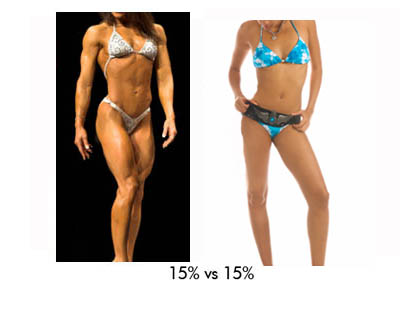
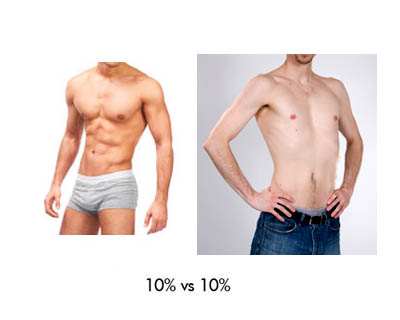
Increasing muscle definition means increasing lean mass and or dropping body fat % systemically throughout the body. Focusing on certain exercises to hit specific areas will not bring out the lean look you desire. Again and I repeat, in order to achieve the muscle definition you want, you must lower your body fat %. For example everyone has six pack abs. Some people have too much body fat covering them and some people don’t. That’s the difference with a solid looking anterior core. Of course your muscle base underneath the adipose tissue has a lot to do with this as well.
After All The Bashing I Still Prescribe High Reps
You really just need to look at what you are trying to accomplish. Adding high reps (15 or higher) into your program could be a great addition for many reasons which I won’t get into today. Again, they can even can aid in muscle growth if manipulated properly.
If you still don’t get it, what I am trying to say is if you are performing higher repetition exercises for the major portion of your workout all the time, you are missing out on exceptional results. The changes I am talking about are less fat, better performance and more lean muscle.
If the muscle tone myth is wrong, then why do the Pilates and Yoga fanatics etc. claim they can “elongate”, or “lengthen” your muscles to look better?
Stretching is another topic for the future, but I think this is a good time to touch on another myth. For people who claim they can make your muscles longer, let me know who they are because they must have magical powers. Stretching properly (stretching what actually needs to be stretched, not just stretching something because it feels tight) is very important, but what it doesn’t do is increase the physical appearance or elongation of muscles.
I am not by any means bashing Pilates and Yoga. In fact you may actually feel “taller” because of better posture, stability, strength etc. gained from performing it. However, its not because you have actually increased the length of your muscles, and therefore they will not look longer and leaner because of these practices.
To further prove y point, have you ever heard of an origin or insertion of a muscle? These are the attachment sites of a muscle. To TRULY elongate a muscle you would have to pull apart the bones they attach to. Again, the truth is muscles can change appearance in two ways. Shrink or grow.
Now, I know this post may still not convince you that high reps don’t tone, but at least I made you aware and got you thinking if you have read on this far. Next time you design a training system ignore the scams out of the popular magazines and media. Block out the false information of the fitness professionals who support this muscle tone, spot reduction and elongation topic, and until next time, happy heavy lifting.
References:
Kisner, Carolyn , and Lynn Allen Colby. Therapeutic Exercise 5th Edition. Philadelphia: Margaret Biblis, 2007.
Lypert , Lynn. Clinical Kinesiology and Anatomy 5th Edition. Philadelphia: F.A. Davis Company, 2011.
Marieb, Elaine , and Katja Hoehn. Human Anatomy & Physiology 7th Edition. San Francisco: Pearson Benjamin Cummings, 2007.