Blog

  • Lifting In Silence: In Depth Discoveries

    Lifting In Silence: In Depth Discoveries

    Have you ever…

    • Lowered or shut off the volume in your car while driving or parking so you can focus?
    • Told someone to quiet down so you can concentrate?
    • Noticed the lack of sound in high level golf, pool, or olympic weightlifting, etc.?

    Maybe it’s tradition. Maybe it’s that these activities are generally performed in a quiet setting (so a sudden noise can be extremely distracting). Or maybe these circumstances will change in the future and resemble more of a CrossFit and Powerlifting environment with constant background noise.

    Either way…

    1. Lifting in as much silence as possible can increase mental attentiveness. It can make you more aware of your environment, give you a different experience/results, and eliminate distractions which can drain your energy.
    2. I know some of you might be thinking, “I would get bored”, or “I need something to motivate me (like music, videos, podcasts, or people. etc.)”, however this can explain a lack of presence and focus.
    3. There are benefits to lifting both with and without intentional stimuli. But since I haven’t seen “lifting in silence” talked about or documented, I felt the need to make you aware of this strategy I often use with clients and myself.

    BACKGROUND

    Over the last fifteen years, I’ve been lucky enough to train both clients and myself in just about every environment possible. Here are some examples…

    • By myself.
    • With training partners, sports teams, random spotters at the gym, groups of people that bring different types of energy (competitive, easy going, pissed off, funny, etc.) and more.
    • While listening to podcasts, music, videos and the like, at low to high volume levels.
    • While completing other tasks (doing work, answering emails, phone calls, learning songs for gigs, cleaning, etc.).
    • At colleges, schools, commercial gyms, in basements and run down areas, at high end facilities, at home, in private settings, at my own gym, outside, with animals around, etc.
    • From extreme heat to freezing temperatures, in the rain, and more.
    • From being pain free and feeling amazing, to not being able to move my neck and throwing up in between sets.
    • In the dark.
    • With no sound or distractions at all.

    I think you should give all of the situations above a try as there are pros, cons, and uses for every one of them.

    You’re probably thinking…

    I can see many people reading this thinking something like, “I don’t care what this is about, I need something like music to get me in the zone”.

    However, this may mean that you’re not able to get fully involved with or focused on what you’re doing.

    When you’re training and you think about anything other than what movement you’re performing (e.g. what you need to do later, the song, video or podcast playing, when is this set going to be over?, etc.) it’s a different experience compared to when you’re actually aware of what’s actually happening at that point in time.

    It’s happened to all of us during certain activities. You’re doing something (playing an instrument, fighting with your spouse, hugging your kid or pet, etc.) but you lose track of time and all other thoughts, because you’re so caught up in what’s actually happening.

    The goal of this post would be to help you get in that state while training.

    A couple random thoughts of mine before I show you how to implement this: Skip to “How To Implement This” if you’re not interested.

    • You can instantly recognize and feel the presence of someone who’s focused. You just know they’re in the moment by looking at them.
    • An intentional stimulus like music, videos, training partners, etc. can make training more enjoyable and productive. However if you need and depend on these things all the time, they can divert your attention, and interfere with you being fully conscious of what you’re doing.
    • Nonetheless, when you reach the level you don’t want, need, or depend on an external stimulus to train, you’ll probably recognize a few things about yourself. You’ll either go crazy at first because you didn’t realize how dependent you are on things like your phone, or you will be less distracted learn how to train from within.
    • External stimuli while training (doing work you don’t want to on your phone, etc.) can drain your energy, especially if they’re negative. This can obviously hinder your results. On the contrary, positive stimuli (loud music, etc.) may fuel your energy, however they may also cause you to become dependent on them or overstimulated. Just some insight.
    • Over time lifting in the absence of sound can feel like your new normal, just like it has with music if you normally train with it. However, you will most likely be more aware of what’s going on within you.

    Three extra insights of mine: What I personally like about lifting in the absence of sound.

    1. Have you ever listened to the same song so many times it just doesn’t pump you up like it used to anymore? Have you ever noticed how fed up you are with the same noise that comes from your alarm clock? With the absence of outside stimulation you have a more stable and consistent training environment that doesn’t either amp you up, or depress you.

    2. It can be a great tool that may allow you to more accurately auto-regulate or adjust your training on the spot. Since there is nothing else to focus on but yourself (and maybe the sounds of equipment) it can make you more cognizant of what your body is doing and how it is feeling. How you’re breathing. How hard you’re working. How your muscles and strength are responding.

    3. If you make training in silence your new normal, when you need that extra boost from something like music, it will feel much more powerful. Almost like if you were to not use caffeine for a couple months, then decide have a large dose of it. In the end, you’ll be more conscious of what external stimuli do to your energy in general.

    HOW TO IMPLEMENT LIFTING IN SILENCE:  

    I understand lifting in silence is challenging when most people don’t train it the privacy of their own gym/home, etc. Therefore taking this and the rest of the article into consideration, here is how to put this idea to use.

    1. Use hearing protection like earplugs or earmuffs.

    For the purpose of this article, this will decrease your exposure to constant or sudden sounds that can divert your attention when training.

    Hearing protection also reduces your noise exposure level in the gym (metal plates, barbells, etc.) and over time possibly even the risk of developing hearing loss as well.

    I have gigs just about every week/weekend (I’m a drummer in a local band) and it’s not uncommon for me to use this same hearing protection while coaching clients, or lifting myself.

    2. When to use hearing protection or lifting in silence during training:

    You can start by using hearing protection for just a single rep, set, or exercise. Or just for a certain amount of time.

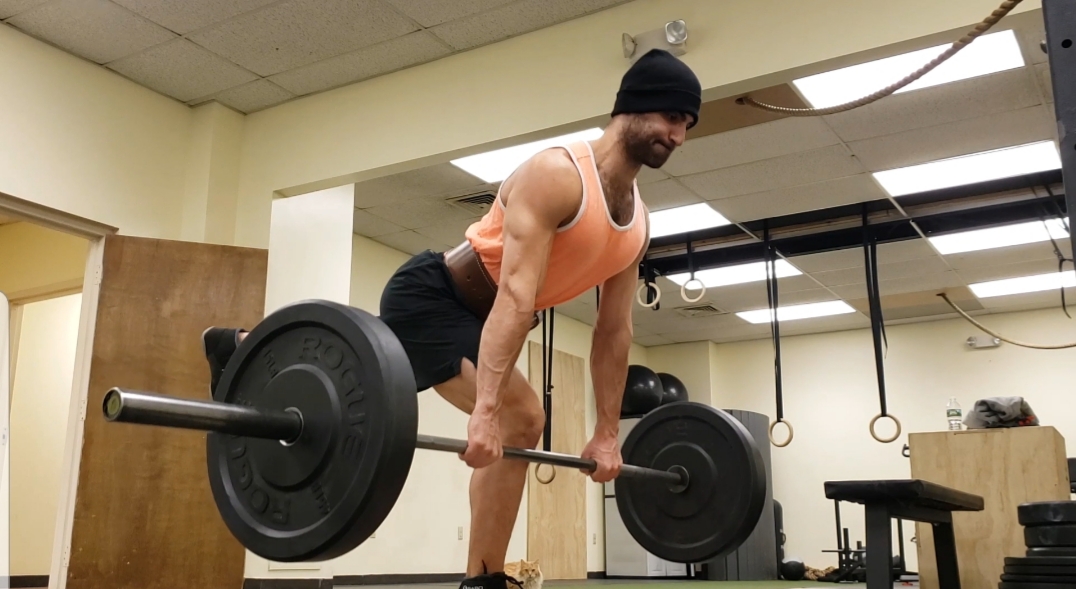
    You could also just use earplugs or earmuffs during lifts that cause piercing sounds (e.g. heavy eccentricless deadlifts with metal plates), or that require an immense amount of focus.

    You can gradually increase or decrease the amount of time you wear hearing protection once you’ve experienced it enough to know what it does or doesn’t do for you.  

    3. What I’ve found with clients and myself: A few notes.

    Most others I’ve shown this too, tell me they end up lifting in silence, or leaving hearing protection on more often than not because they didn’t realize how loud plates slamming around were.

    Other people have mentioned that it’s more challenging than they thought, since they were so used to always being stimulated by an external source.

    After a day of being in the gym and coaching clients without hearing protection, people used to mention I was yelling in simple conversations I had when I got home.

    It can be a lot more peaceful and less irritating once you get used to going inward and monitoring what your body does and feels like without all the external stimuli.

    4. When to use an external stimulus (like music):  

    Again, I just never see this discussed, so the main goal of this post is to make you aware that training in silence is an option and can be beneficial.

    However, whether you’re feeling extra unmotivated, having a bad day, or need to get out of your head, you can either test yourself, dig deep, and try to overcome it by lifting in silence (you really have to go inward at this time). Or, you can use things like music and videos to put you into a different state that allows you to get your training done.

    Same goes for when you’re having really great days.

    In sum, my current opinion on lifting in silence is to use an external stimuli (music, videos, podcasts, people, etc.) only when you really need/want too, but not to depend them.

    5. Assessments and evaluations in silence.

    Before a client sign-up of any sort, evaluations (where I assess things like mobility, injury history, and more) are performed.

    With low to no volume going on at this time, you can hear sounds coming from their bodies you may otherwise not have, communication is easier, and there will more than likely be less distractions and more focus.

    You can also use it to listen to what’s going on with yourself. Your breathing patterns, joint sounds, timing of your feet during coordinated movements like Olympic lifts and more.

    Summary:

    1. An intentional stimulus (e.g. music, videos, training partners, people cheering, coaches, etc.) can make training more enjoyable, productive, and consistent.
    2. However, it can also limit your awareness, divert your attention, and interfere with being fully conscious of what you’re doing.
    3. The goal of this post was to inform you about the idea “lifting in silence”, since it appears to be rarely practiced or spoken about in resistance training environments.

    All coaching inquiries or questions can be sent to my personal email at rivelli.justin@gmail.com. You can also reach me on my Facebook or Instagram page.
  • TEN SIMPLE WAYS TO FIX LOUSY GROUP TRAINING TECHNIQUE

    TEN SIMPLE WAYS TO FIX LOUSY GROUP TRAINING TECHNIQUE

    https://www.instagram.com/p/BwUs_sbDTKt/?utm_source=ig_share_sheet&igshid=203ut47cw3as

    1. Teach and demonstrate the exact form/technique you want people to use.

    Do this before, during, and throughout the training session as much as necessary.

    If somebody doesn’t know what the movement you’re having them perform is supposed to look like (at full speed, with the exact technique you want them to use), how are they supposed to know what to do or how to execute it?

    If you can’t demonstrate it yourself (which you should be able to do unless you’re sick or injured), you can use other more advanced clients to display to them how it’s done, or as a last resort, show them a video you like.

    2. Explain what the cues you’re using mean, look, and feel like before you have clients implement them.

    For example, imagine you have somebody deadlifting. During their set you say, “arch your lower back more”. Let’s say you’re definition of arching means to extend.

    Now, imagine this person deadlifting believes the definition of “arch” means to “flex, round, or bend” like an archway.

    In this case, the client and coaches definitions don’t match up, and the client would do the exact opposite of what the coach wanted.

    Know what I mean? With this said…

    3. Use all different types of cues to help people, but not too many, and not to confuse them.

    Use internal cues (e.g. you should feel this in your hamstrings), external cues (e.g. push your butt back to the wall), kinesthetic cues (e.g. grab someone’s elbows and pull then up during a front squat) etc.

    But when you start giving too many instructions, many folks will forget them all and just feel frustrated or confused.

    Instead, give people one to two cues at a time, so they actually learn something. Once those stick and they “get them”, move onto adding one or two more cues, and repeat. Most things aren’t and don’t need to be perfect first try. Just practice with the objective to get better.

    4. Choose appropriate exercises for people  and for group settings.

    This alone would fix a large portion of people’s poor technique.

    For example, let’s say you’re having a group of people perform deep barbell front squats.

    If somebody can’t physically get into a full squat position because they don’t have enough mobility, no cue or technique is going to help them. They’re either going to compensate somewhere else (like there lower back), not be able to do it all together, or worse, increase their chance of injury.

    Instead, if we change their full front squat, to a box squat of some sort, even if you need to change the loading position (goblet, etc.) it will not only look, but feel much better to them. On top of that, it will actually train the movement and muscles you want to.

    5. Not every person has to perform the same exact thing.

    Point three pretty much covers this, but I want to reiterate/explain this a little more.

    People will join group training sessions at different years, months, or days etc. than others. Unless you have certain systems in place, classes will be composed of all different ability levels.

    If you want people to get the best results they can, different movements, weights, and training parameters (volume, intensity, frequency, etc.), will need to be implemented.

    6. Say the person’s name before you give a coaching cue.

    This way…

    The individual knows you’re definitely talking to them. Other people don’t get confused and do something you don’t want then too. They recognize you’re paying attention to them.  

    For example: Imagine you have two people bench pressing at the same time. Jason’s elbows are flaring more than you would like, and Dan’s elbows tucking more than you would like.

    In this situation if you just yell, “tuck your elbows more”, you will probably cause Jason’s form to go more towards where you want, but Dan’s to go in the opposite direction of your goal.

    By simply saying the person’s name first (e.g.“Jason tuck your elbows a bit more, Dan press the bar towards your face”) you make this less likely to happen.

    7. Have one person go at a time.

    Especially when it comes to complex movements like squats, deadlifts, cleans, etc., or problem areas people have.

    In reality, a set just doesn’t take that long. By watching each client perform an exercise separately, they get much more individualized coaching.

    In the long run, their form will look and feel much better, and you can just revisit “one person at a time training” once in a while if wanted.

    If you’re worried about boredom of other clients, you can either have them do something else while they’re waiting, or have them watch you coach the other people, explaining to them out loud what you’re trying to accomplish with them so everyone learns. This never seems to be a problem in my sessions though, and I’ve been coaching small groups for over ten years.

    8. Walk around more.

    By moving around and being present in more areas of the gym, you’re accomplishing a bunch of good things. I’ll list a few below.

    Getting closer to the clients you’re coaching seems to helps them remember cues almost instantly, without saying a word.

    By bringing your body around the gym, clients can tell that you care about everyone in the room, and feel like you’re paying attention to them. This in turn, might help them try to be more aware of what you’ve already taught them, and perform at a higher level than if you stood in one spot.

    You’ll notice more things you may not have, allowing you to give better guidance. This can make you a higher quality coach, and lead clients to getting greater results.

    9. Don’t give up.

    For example, let’s say someone is having trouble learning the front squat, and it’s taking too much of your attention away from other paying clients. Let’s also pretend they just don’t understand how to rest the bar on their shoulders

    In this situation, you can either give up and change the exercise (they will never learn to front squat) force them to do it anyways (they will probably struggle, feel super uncomfortable, and get a terrible training effect), or…

    Do both. Since they won’t receive a training effect from the front squats (b/c they can’t load it on their shoulders with enough weight to get a good quadriceps stimulus) you can have them…

    Work on the positions their struggling with, with light weight for a limited amount of time (let’s say 30 seconds), and then do another movement right after with an easier learning curve that targets the same muscles you want (in this case it could be a goblet squat, leg press, etc.). in a challenging manner.

    10. Get another coach for an extra set of eyes, or cut down on the amount of people per class.

    When it comes to training large group classes (I’d say about 6-8 or more), your attention can only be so many places at once.

    A lot of coaches don’t want to hear this (for financial reasons), but by making classes smaller (6-8 people or less), or hiring more coaches (1-6 people per coach) clients will learn quicker, get more individualized coaching, and benefit tremendously.  

    It’s also the right thing to do, even if it’s just temporary until people are more comfortable with what you’re teaching.  

    11. Turn down the volume.

    Have you ever turned down the volume in your car to focus when you’re driving or parking?

    I’ll be posting a more in depth article on this soon, but things like music can limit people’s ability to hear your voice, concentrate, and implement cues you’ve taught them as their focus goes elsewhere.

    By training in silence, it can make you more aware of your environment, give you a different experience/results, and eliminate distractions which can drain your energy.

    I know some of you might be thinking, “I would get bored”, or “I need something to motivate me (like music, videos, podcasts, or people. etc.)”, however this can explain a lack of presence and focus.

    There are benefits to lifting both with and without intentional stimuli.

    However if you notice people struggling t catch on to things, turning down the volume once in a while can help. Think about golf, Olympic lifting, and other sports that require silence for mental attentiveness.

    12. Perform 1 on 1 evaluations on of every single person before they join group training.

    Probably the most important point of all.

    If you don’t know the mobility, training/injury history, or circumstances of each individual trainee, it’s difficult to select training parameters and movements that are best for them.

    A proper assessment will lead to more appropriate training program design, less chance of injuries occurring, and more often than not, better form by default.

    Email me at rivelli.justin@gmail.com for any questions regarding online or in person coaching.

    #justinrivelli #fitness #onlinecoach #fatloss #bodybuilding #powerlifting #crossfit #lenox #pittsfield #theberkshires

  • Over 50 Single Leg Deadlift Variations

    Over 50 Single Leg Deadlift Variations

    I decided to go deep into the world of single leg deadlifts. Don’t limit yourself to the movements shown in the video.

    #fitness #justinrivelli #singlelegdeadlift #bodybuilding #crossfit #physique #fatloss #lee #lenox #pittsfield #theberkshires

  • Simple Single Leg Deadlift Progression (With Real People)

    Simple Single Leg Deadlift Progression (With Real People)

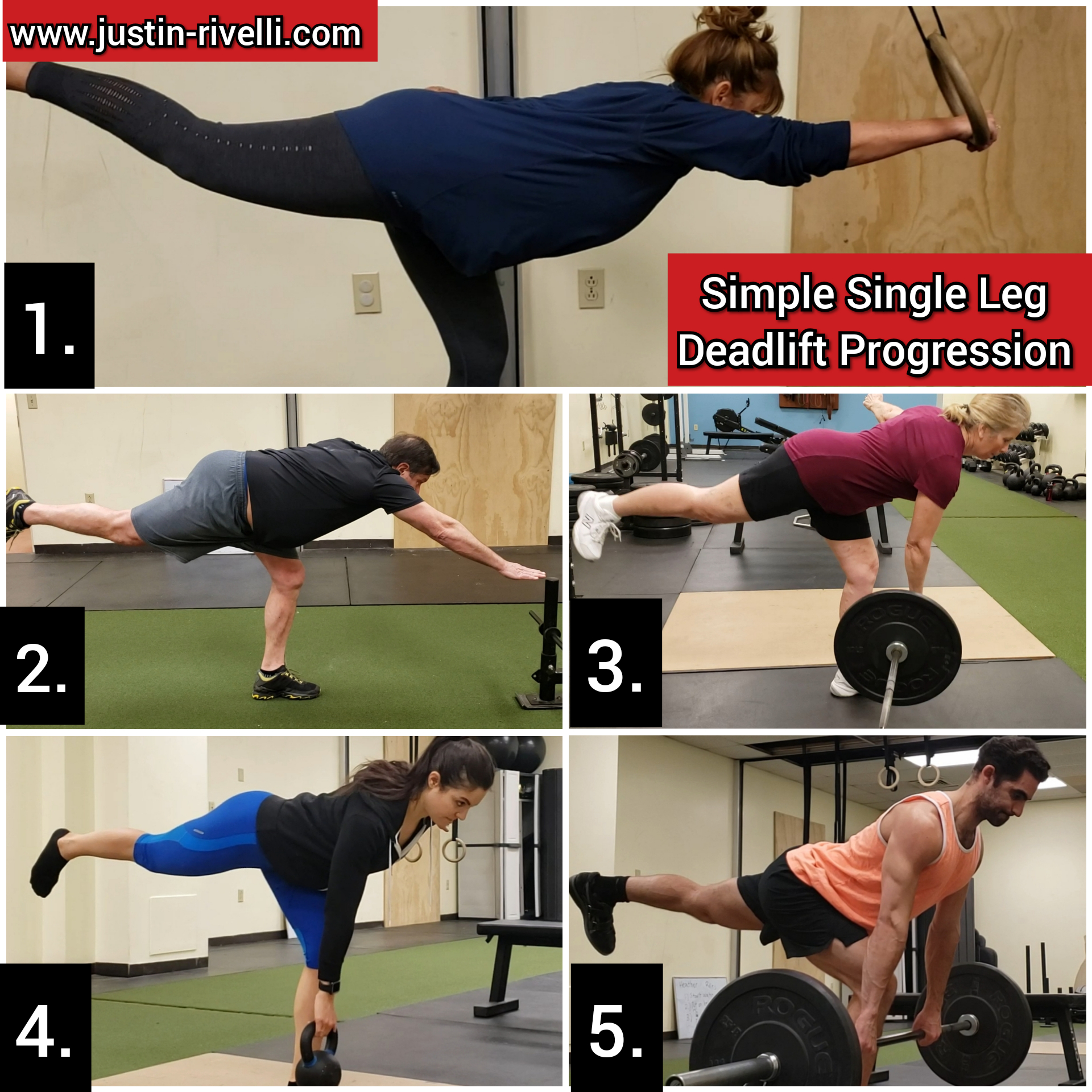
    Here’s a simple single leg deadlift progression you can use with your clients or yourself.

    For most people, picture/video 1 is the least challenging, and picture/video 5 is the most difficult.

    Don’t limit yourself to the single leg movements or progressions shown in the video. There are plenty more I didn’t post.

    #fitness #justinrivelli #singlelegdeadlift #bodybuilding #crossfit #physique #fatloss #lee #lenox #pittsfield #theberkshires

  • The WIYLDOI Challenge

    The WIYLDOI Challenge

    THE “WIYLDOI” CHALLENGE

    Here’s some information about my perspective on what to consider before giving or taking fitness advice on social media platforms like Facebook and Instagram, or even in general.

    I’m going to title this the “what if your life depended on it” (WIYLDOI) challenge.  

    What do I mean by this?

    Before you give or take fitness advice, I invite or challenge you to ask yourself, “Would I act or respond this way if my life depended on it?”

    For example. If someone asks, “Is a low carbohydrate diet like Keto or Atkins good for weight loss?”

    Would you instantly say, “Yes it is. Me and my friends have done it and we all lost weight”. Or, “No, it’s not healthy, it just makes it look like you’re losing weight on the scale, because you have less glycogen and experience more water loss”.

    Or, will you take the invitation or challenge and ask, “How would I respond to this if my life depended on it. If I was to get anything I wanted by getting this answer “right” (1 billion dollars, physique of your dreams, freedom, etc.), how would I act?”

    I think this mindset shift can give you a different stance, attitude, or opinion about giving or taking fitness advice, no matter what the topic is.

    I’ll explain below how you might approach this specific question, and why I’m doing this challenge below (or in part two if I make another video).

    PART TWO:

    If you haven’t seen part one yet, this video will make no sense to you. So go back and watch the video or read from the beginning of this post before you read the rest of this.

    1. In this case you might start off by questioning the question.

    Is there a definite truth to this question? “What actually causes weight loss? Can eating a no or low carbohydrate do the opposite and cause weight gain?”

    2. After this you might decide to research the highest quality, unbiased, scientific information you can find. The type that’s been proven to be as true as it can be, time and time again.

    With this specific topic, you would find a calorie or energy deficit is ultimately what produces fat loss, independent of the amount of carbohydrates consumed. You would even discover that you gain weight and body fat by eating a no carbohydrate diet, when you create a calories surplus with it.

    3. Next you might become aware that you need to gather an enormous amount of background information about the person as an individual. That you should know their circumstances and situation to give a possible helpful response.

    4. After this you might find you need to gather real life experience.

    Maybe you experiment on yourself, and/or turn to coaches or other folks who have successfully achieved fat loss themselves, or with their clients/patients.

    By doing this, you would confirm the research you’ve already done, which shows their are many different methods you can use to get leaner, but yet again, an energy deficit is what leads to fat loss success, independent of the diet you follow, times you eat, or how many meals you consume a day, etc.

    5. Finally, you might form your more deserved answer to the question, and get ready to give or take fitness advice.

    PART THREE:

    Only to realize…

    A. You don’t want to force your opinion on others because you now understand there are too many variables you may not have thought of.

    B. You’re in a better position to respond, know the answer, and all that’s left is deciding whether you’re going to give or take the advice or not.

    C. You should send them this challenge instead:) Maybe you came across too much information you don’t want to decipher, or believe they’re not in the right mental state to hear what you have to say, or you’re not interested enough in the topic.

    The goals of this challenge are to help you…

    1. Learn more.  
    2. Actually, like for real, be able to help others (or yourself) when the time is right.  
    3. Hold yourself (and others) to a higher standard, so less nonsense is spread around.
    4. Promote better thinking and action based decisions within the fitness industry.
    5. See how a different set of eyes ponders, and gain some perspective you may not have already been aware of.

    Will you accept the invitation, take the challenge, and ask “how would I respond to this if my life depended on it”.

    Just some insight:)

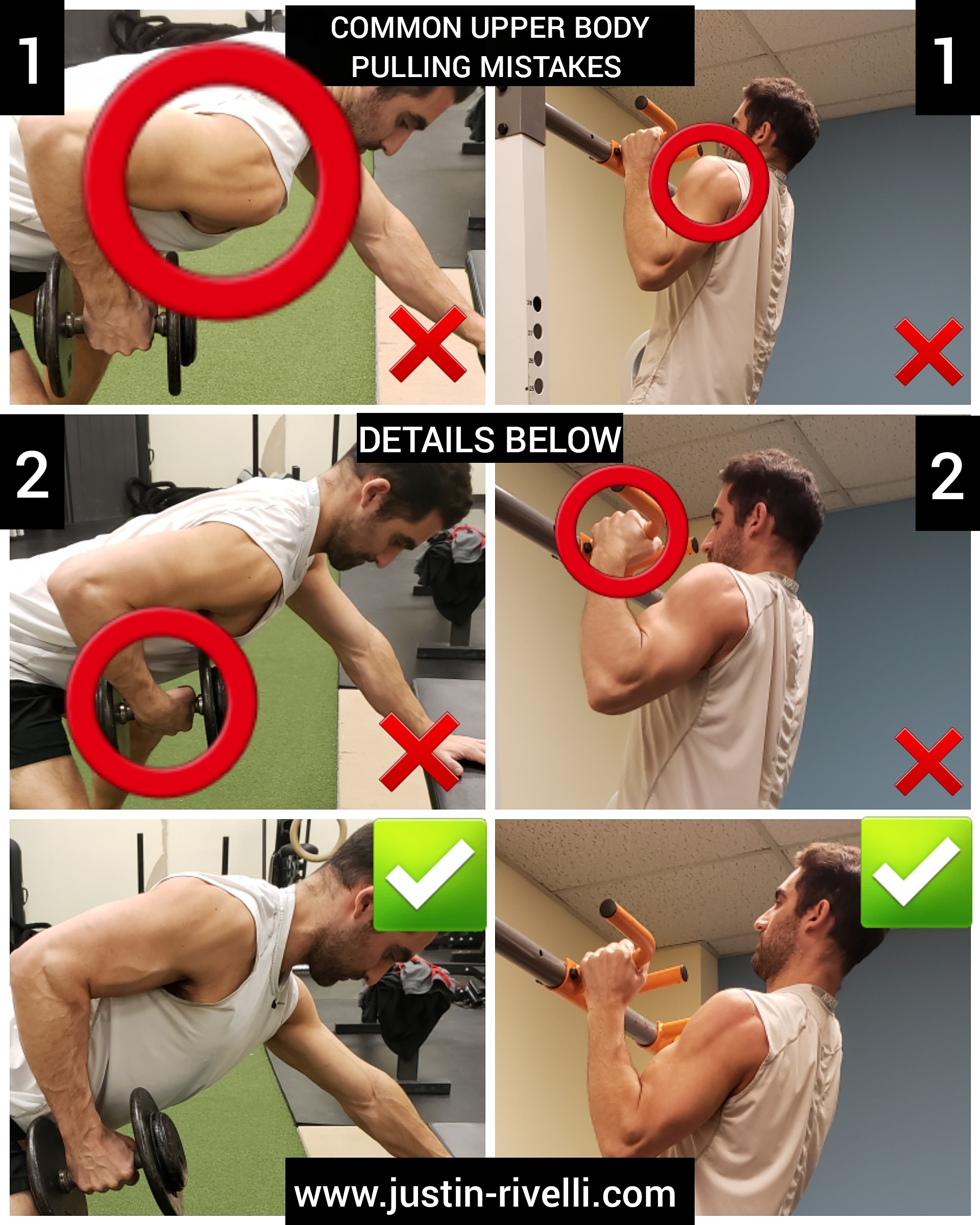
  • Two Common Rowing & Pull-up Mistakes

    Two Common Rowing & Pull-up Mistakes

    https://www.instagram.com/p/BucmDcjD4XQ/?utm_source=ig_share_sheet&igshid=jidok4ojlc5s
  • Look, Feel, & Perform Better Doing Planks, Push-ups, & Ab Wheel Rollouts

    Look, Feel, & Perform Better Doing Planks, Push-ups, & Ab Wheel Rollouts

    Here’s one way I help clients look, feel, and perform better during plank, push-up, and ab rollout/fallout exercises.

    Note: The following information applies to all anti-extension core movements.

    Intro: Some people, sometimes, no matter what cues you give them (internal, external, kinesthetic, etc.) just can’t understand, perform, or feel the positions/things you want them too.

    By following the three bullet points below, you may help yourself (or others) struggling to execute good plank positions, do so in seconds.

    Especially if you’re current training, demonstrating, and coaching methods aren’t working as you feel they should be.

    Here’s How:

    1. Over exaggerate and feel the position you DON’T want to be in.
    2. Overemphasize and feel the position you DO want to be in.
    3. FREEZE. Stay here and perform the rest of the movement.

    P.S. Steps one and two may need to be repeated a couple times for it to click.

    Shown in video: Step 1: Extended lumbar spine (stress on low back/ignoring muscles you want to target). Step 2: Neutral spine/posterior tilted pelvis (targeting anterior core). Step 3: Freezing the position and performing anti-ext ab exercises.

    Important notes:

    1. I never have clients over dramatize a position I don’t want them to be in at high levels of exertion.

    For example, I won’t have a client extend their lower back on purpose, at the end range of an ab-wheel rollout.

    2. If you can achieve and feel the “right” position in an unloaded or low stress environment, but can’t maintain it while performing a more challenging exercise, you may need to regress or change the movement.

    For example, if you can get into a proper plank position on your elbows, but when you do an ab wheel rollout your form deviates/low back extends (no matter how hard you try to not let it), you may need to back off and execute a less difficult exercise like a stability ball rollout.

    3. Any questions comment below or email me at rivelli.justin@gmail.com where I’ll answer you personally.

  • Hanging Weights

    Hanging Weights

    https://www.instagram.com/p/BtlawuqDJmu/?utm_source=ig_share_sheet&igshid=zoknr79s1nat

    By wrapping a band around a weight and performing exercises (shown in video above), as opposed to holding the weight itself, you construct a resistance training environment that can serve as a great tool for just about anyone. Here’s why…

    1. If you choose to implement this, you’ll experience unforeseeable and uncertain movements, shifts, and alterations while performing exercises. Therefore, this technique heightens mental awareness, causes you to naturally contract just about every muscle on your skeleton, and disciplines you to sustain this enormous amount of tension throughout the entire duration of the lift.
    2. The more the weights wobble, the more they will cause you to shake like crazy, involuntarily. The extra tension, tightness, or irradiation (concurrent activation potentiation as research calls this) this type of training creates, can reduce your risk of injury by almost automatically producing joint centration without extra effort of cuing.
    3. From personal and coaching experience, clients tend to feel and receive less stress on their joints, and more on the muscles they’ve intended to train with this method. It also can significantly increase grip strength if loaded appropriately and consistently.

    There are many other ways to use this technique, so don’t limit yourself to the ideas shown. For example, of you don’t want to use it as part of your normal training program, use it for a deload week if you incorporate them.

    If you have any questions, leave a comment or shoot me a message and I’ll respond to you personally.

    Facebook: https://www.facebook.com/JustinRivellisPhysiqueTransformations/

    Instagram: https://instagram.com/justinrivelli

    Email: rivelli.justin@gmail.com

  • 7 Important Evidence Based Reasons You Should Resistance Train If You’re Over 30

    7 Important Evidence Based Reasons You Should Resistance Train If You’re Over 30

    INTRODUCTION

    Although aging is inevitable, a sedentary lifestyle can accelerate it’s progression by decreasing physical fitness and the incidence of chronic diseases. (Ciolac E.G. 2013)

    1. Over the next two decades, 77 million baby boomers in the United States will reach retirement age, and by 2030, one in five Americans will be 65 or older. (Papa E.V., Dong X., 2017)
    2. Compelling evidence suggests that resistance training can improve quality of life, prevent or control the development of chronic disease (physically and mentally) and increase life expectancy. It has an important influence on aging and may help to prevent age-related disorders. (Ciolac E.G. 2013)
    3. Many factors contribute to age-related loss of muscle mass and strength, however physical inactivity is probably the most important. (Kalyani R.R., Corriere M., 2014)

    Below you will find out how a lack of resistance training can lead to many more consequences than just things like a loss of muscle mass, strength, and a less desirable body composition (Volpi E, Nazemi R, 2010).


    1. MUSCLE LOSS

    Muscle mass decreases approximately 3–8% per decade after the age of 30 (Holloszy J.O., 2000). This rate of decline is even higher after the age of 60 (Melton L.J., Khosla S., et al. 2000).

    Age-related muscle loss is a strong risk factor for disability, hospitalisation, and death in older adults. (Fielding R.A., Vellas B., Evans W.J, et al. 2011) (Visser M., Goodpaster B.H., Kritchevsky S.B., et al.)

    Changes in skeletal muscle are especially important because muscle is essential for locomotion. (Kalyani R.R, Corriere M., 2014) (Rosenberg I.H., 1997)

    2. STRENGTH LOSS

    Muscle strength can decrease by 12–15% every 10 years after an individual reaches the mid-century mark. (Larson L., 1983). This is important to know because it’s a critical component in preserving functional activity in older adults (Papa E.V., Dong X., 2017).

    For example, this study shows weakness is strongly associated with function and disability (Schaap L.A., Koster A., et al. 2013), and this one explains that muscle strength is a critical component of walking, and it’s decrease contributes to a high prevalence of falls. (Dhillon R.J.S., Hasni S., 2018)

    This study mentions that muscle strength might even be more important than muscle mass as a determinant of functional limitations and mobility status in older age. (Kalyani, R.R., Corriere M., et al. 2014).

    It’s also become clear that decreases in muscle strength exceed what is expected on the basis of the decline in muscle mass during ageing, especially after the age of 60–70 years. (Kalyani R.R., Corriere M, et al. 2014).

    Even more, muscle weakness and rapid rate of strength decline both predict future mortality. (Jaul E. Barron J., 2017)

    3. BODY COMPOSITION AND STRUCTURE

    A decrease in muscle mass is accompanied by a progressive increase in fat mass and consequently changes in body composition. It’s also associated with an increased incidence of insulin resistance in the elderly. (Volpi E., Nazemi R., et al. 2010).

    These changes in body composition can also negatively affect functional status in older adults. (Candow D.G., Chilibeck P.D., 2005)

    4. FUNCTIONAL LIVING (WALKING SPEED, FALLS, RISING FROM A CHAIR, CLIMBING STAIRS ETC.)

    An involuntary loss of muscle mass, strength, and function is a fundamental cause of and contributor to disability in older people. (Volpi E., Nazemi R., 2011).

    Reduced muscle strength with aging leads to loss of functional capacity and is a major cause of disability, mortality and other adverse health outcome. (Roubenoff R., 2001) A decline of muscle and strength is more pronounced in patients with a sedentary lifestyle as compared to patients who are physically more active. (Dhillon R., Hasni S., 2017)

    Functional tasks such as rising from a chair and performing home and personal care (cooking, bathing, using the toilet) are directly associated with muscle loss. (Janssen I., Heymsfield S.B. 2009)

    5. LOSS OF BONE MINERAL DENSITY

    Osteoporosis is a common and silent disease (that affects millions worldwide) until it is complicated by fractures that become common. It was estimated that 50% women and 20% of men over the age of 50 years will have an osteoporosis-related fracture in their remaining life. These fractures are responsible for lasting disability, impaired quality of life, and increased mortality, with enormous medical and heavy personnel burden on both the patient’s and nation’s economy. Osteoporosis can be diagnosed and prevented with effective treatments, before fractures occur. Therefore, the prevention, detection, and treatment of osteoporosis should be a mandate of primary healthcare providers. (T., Lale Özışık L. 2017)

    Although pharmacological treatments do exist in an attempt to try and decelerate the consequences of low bone mineral density, the side effects associated with these medications, and their failure rate, create a need for an alternative method. (Senderovich H., Kosmopoulos A., 2018)

    Exercise is primarily shown to reduce the loss of bone mineral density and increase bone stiffness, demonstrating its ability to act as a barrier to the development of osteoporosis. (Senderovich H., Kosmopoulos A., 2018). More on this later.

    6. THE BRAIN

    Aging is a degenerative process marked by recognized functional, physiological, and metabolic impairments, such as dynapenia and diminished cognitive capacity. Therefore, the search for innovative strategies to prevent/delay these physiological and cognitive disorders is essential to guarantee the independence and life quality of an elderly population. (André de Camargo Smolarek, Luis Henrique Boiko Ferreira, 2016)

    Resistance training can provide positive improvements on cognitive capacities of the elderly, bringing enhanced life quality. More on how resistance training effects cognition in the treatment section below.

    7. INACTIVITY OR A LIFESTYLE LACKING EXERCISE:

    Many factors contributing to age-related loss of muscle mass and strength have been suggested, with physical inactivity probably being the most important. (Kalyani R.R., Corriere M., 2014).

    A decline of muscle and strength is more pronounced in patients with a sedentary lifestyle as compared to patients who are physically more active. (Dhillon R., Hasni S., 2017)

    Even professional athletes such as marathon runners and weightlifters show a gradual albeit more slower decline in their speed and strength with aging. (Faulkner JA, Larkin LM, et al. 2007)

    WHY USE RESISTANCE TRAINING AS A TREATMENT FOR THE ABOVE CONCERNS

    Although aging is inevitable, a sedentary lifestyle can accelerate it’s progression by decreasing physical fitness and the incidence of chronic diseases. (Ciolac E.G. 2013)

    A lack of resistance training can lead to many more consequences than just a loss of muscle, strength, and a poorer body composition (Volpi E, Nazemi R, 2010).

    Fortunately, aged muscle is still very plastic and can respond to anabolic stimuli by increasing its mass and strength. This knowledge is vital for designing interventions to reverse or attenuate the loss of muscle mass with aging and to improve functional abilities in the elderly. (Volpi E, Nazemi R, 2010).

    PREVENTION OF MUSCLE AND STRENGTH  LOSS

    It has been well established that resistance training represents a feasible and effective interventional strategy to counteract muscle and strength loss in various elderly and frail populations (Verdijk L.B., Gleeson B.G., 2009).

    Muscle quality has been shown to improve significantly with resistance training in older people and in younger people with muscle wasting (Tracy BL, Ivey FM, Hurlbut D, et al. 2009) (Schroeder ET, Terk M, et al. 2003)

    POSITIVE INFLUENCE ON  NEUROMUSCULAR & HORMONAL SYSTEMS

    Resistance training has been reported to positively influence the neuromuscular system as well as increase hormone concentrations and the rate of protein synthesis. (Dhillon RJS, Sarfaraz Hasni S, 2018)

    FUNCTIONAL INDEPENDENCE  

    Progressive resistance training increases muscle strength, gait velocity, and stair-climbing power in ≥70-yr-old institutionalized physically frail women and men. (Yarasheski K.E, Pak-Loduca, J. 1999)

    Several reports have shown resistance training offers numerous benefits beyond muscle strength alone for older individuals. Some of these include things like better balance, functional mobility, and greater fall prevention. (Papa E.V., Xiaoyang Dong X. 2017)

    REDUCE THE LOSS OF BONE MINERAL DENSITY AND YOUR HEIGHT

    Resistance training can reduce the loss of bone mineral density and increase bone stiffness, demonstrating its ability to act as a barrier to the development of osteoporosis. (Senderovich H., Kosmopoulos A., 2018) High-intensity progressive resistance training may also improve vertebral height as well as lumbar spine and femoral neck bone mineral density. (Senderovich H., Kosmopoulos A., 2018).

    This study (Martyn-St James M., Carroll S., 2008) concluded that regular walking has no significant effect on preservation of bone mineral density at the spine in postmenopausal women, whilst significant positive effects at femoral neck are evident. It also says other forms of exercise that provide greater targeted skeletal loading may be required to preserve bone mineral density in this population. (Martyn-St James M., Carroll S., 2008)

    This study mentions that contrary to current opinion, high intensity resistance training was efficacious and induced no adverse events under highly supervised conditions for our sample of otherwise healthy postmenopausal women with low to very low bone mass. (Watson S.L., Weeks B.K., et al. 2018)

    Also, it may be important to note that this study shows that although resistance training of moderate to high intensity produced similar muscle changes in older adults, a higher magnitude is necessary to stimulate osteogenesis at the spine. (Maddalozzo G.F., Snow C.M., 2000)

    BODY COMPOSITION

    As I mentioned earlier, the decrease in muscle mass that occurs with aging and a lack of resistance training, is also accompanied by a progressive increase in fat mass and consequently changes in body composition (Volpi E, Nazemi R, 2010).

    Resistance‐type exercise training is currently the most effective intervention to initiate muscle hypertrophy and to elicit improvements in muscle strength and physical performance. (Tieland M., Trouwborst I., 2018.)

    Resistance training in older adults also increases power, reduces the difficulty of performing daily tasks, enhances energy expenditure and body composition, and promotes participation in spontaneous physical activity. (Hunter GR, et al. Sports Med. 2004) (Jennifer W. Bea, Ellen C Cussler, 2011) (Going S, Lohman T, Houtkooper L, et al. 2003)

    LIFE EXPECTANCY

    Regular exercise and/or physical activity practice may improve the quality of the years lived, in addition to increasing life expectancy. However, while regular physical activity increases life expectancy, it remains unclear if high-intensity sports activities further increase life expectancy (C.D., Knapp G. 2012).

    BRAIN

    A new 2019 meta analysis that included 24 studies revealed resistance training appears to have positive effects on cognition. (Landrigan J.F., Bell T., 2019)

    Another meta analysis that included 33 clinical trials with 1877 participants, concluded resistance exercise training significantly reduced depressive symptoms among adults regardless of health status, total prescribed volume of resistance exercise training, or significant improvements in strength. (Gordon B.R., McDowell C.P., 2018)

    A year earlier, a 2017 meta analysis showed resistance exercise training significantly improves anxiety symptoms among both healthy participants and participants with a physical or mental illness. (Gordon B.R., McDowell C.P. 2017)

    MORE THINGS I DIDN’T MENTION

    SLEEP

    Older individuals, as a group, tend to experience difficulty sleeping compared to younger adults. Improving sleep would have beneficial public health consequences. (Ferris L.T., Williams J.S. 2005)

    Chronic resistance training seems to improve all aspects of sleep, with the greatest benefit for sleep quality. (Kovacevic A, et al. 2018)

    OTHER HEALTH CONDITIONS

    Resistance training may also lead to improvements in things like anxiety (Strickland J.C, Smith M.A., 2014), high blood pressure and triglycerides (Cornelissen E.A., Fagard R.A., 2011), and with daily tasks (climbing stairs, putting on clothes, etc.) of people with Alzheimer’s, and much more.

    CONCLUSION

    Over the past ten years I’ve coached dozens of people per day, (many thirty to sixty five years of age), through resistance training programs both in person and online.

    Whilst many people’s initial primary goals are immediate and superficial (i.e. body fat reduction, increased muscle mass, performance, strength, and ability to complete functional tasks, all with less risk of injury, etc.), other benefits of resistance training appear to rarely spoken of.

    Since the resistance training programs I design are based upon each person’s specific goals, schedule, level of commitment, levels of mobility, injury status, and so much more, it’s important to understand just about anyone can start, no matter your age.

    QUESTIONS – CONSIDERATIONS-  IN PERSON/ONLINE COACHING FROM YOURS TRULY

    1. Despite the well known advantages of resistance training resistance, it may be a difficult intervention to implement in older individuals due to the necessity of specific equipment and supervision, the possibility that it may not be indicated in certain conditions frequently found in older patients (e.g. hypertension, stroke), and the fact that weight lifting may not be an appealing activity for sedentary people. (Volpi E., Nazemi R., et al. 2010).
    2. There are a countless number of ways to set up a resistance training program. However, making sure you’re implementing the basic principles required for success is most important. For example, causing an adaptation of the body to a progressive increasing load must happen to get stronger. There are several methods you can use to achieve this such as increasing the amount of weight lifted, number of sets performed, range of motion you used, and/or number of times per week you train.
    3. Before you begin a resistance training program, it’s extremely important assess your movement capacity and determine which exercises are safe for you according to your level of mobility, injury history, and body structure etc. If you start a resistance training program without an understanding of these things, injury and setbacks are more likely to occur.

    If you have any questions after reading this, or want/need help improving your current training or program (or starting one in general) feel free to reach out or inquire about coaching here rivelli.justin@gmail.com on Facebook https://www.facebook.com/JustinRivellisPhysiqueTransformations/ or here on Instagram.

    https://www.instagram.com/p/BtYikPlnuCo/?utm_source=ig_share_sheet&igshid=1sj6ghnff8rs
  • What & How

    What & How

    When it comes to performing exercises/movements to achieve a particular goal…

    WHAT you do is important. It’s a critical factor that determines whether you receive awesome or poor results.

    But, if HOW you execute something isn’t of the quality needed to meet your specific outcome, you’re probably wasting your time.

    For instance, imagine you strongly desire to increase the size of your glutes.

    If you’re a female, you want to fill out your back pockets and look curvy, and if you’re a male, you wish to appear more powerful.

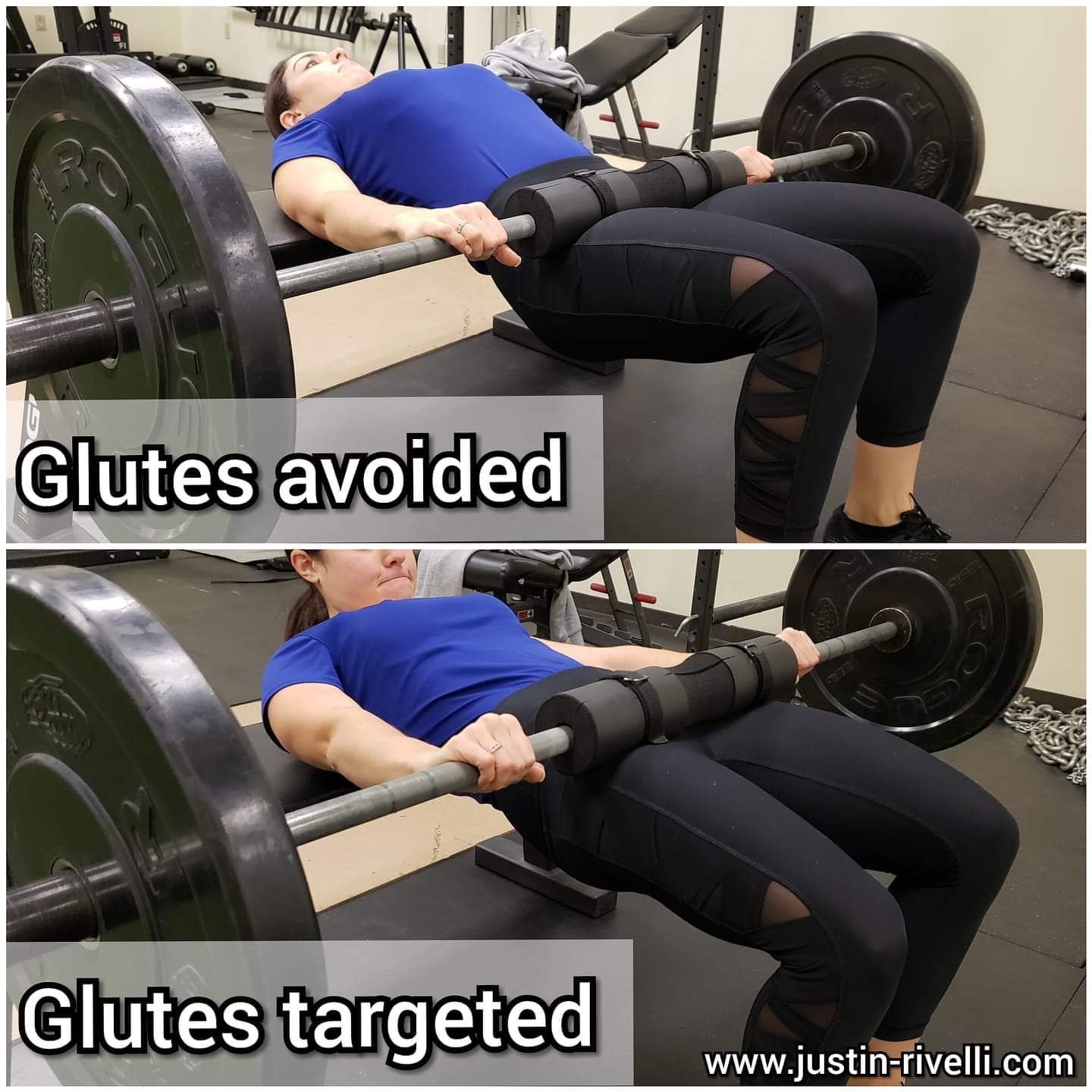
    You’ve done some research on what exercises to implement, and have chosen to perform #barbell hip thrusts.

    If you apply the technique used in figure A, it allows you to target your glutes with maximal tension. If you can’t spot this, her ribs are down, pelvis is tilted posteriorly, hips are extended, and glutes are rock solid.

    However, if you use the form in figure B, you completely ignore putting tension on your tush, the exact musculature you intended too. Observe the arched lower back and relaxed glutes in figure B.

    Therefore, you can crush your #glutes doing hip thrusts, or barely train them while performing that same movement. The difference is HOW you perform the task.

    You see, even after finding out WHAT #exercise to complete to achieve your goal, HOW you execute the movement will make or break your results.

    In sum…

    1. Knowing WHAT to do is crucial.
    2. The HOW increases the quality and value of WHAT you do.
    3. HOW you do WHAT you do, is what delivers either better or worse results.

    P.S.

    Just because you copy WHAT and HOW someone else does something, doesn’t mean you’re accomplishing the same thing they are.

    A few reasons why this is true, includes unique individual body proportions, #muscle insertions, injury histories, age, sex, recovery capabilities, work and #movement capacity, genetics, and more.

    #fitness #training #crossfit #bodybuilding #powerlifting #weightlifting #fatloss #weightloss #justinrivelli