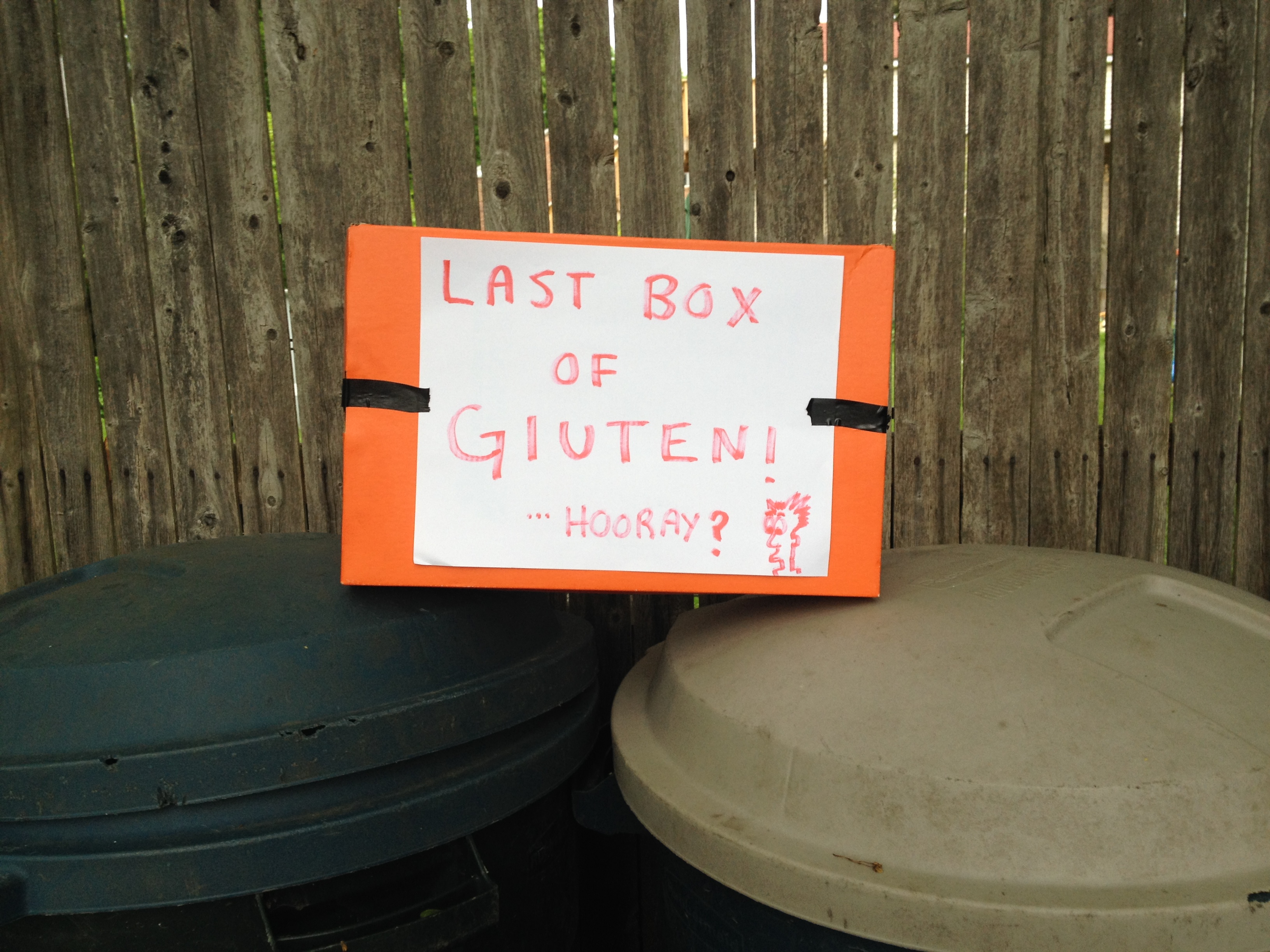
-We demonize then we empathize…over, and over, and over again.
After watching a recent TED Talks video where Jon Mooallem explains “The Strange Story of the Teddy Bear”, I recognized a sentence he emitted during the speech that transfers over to what I believe happens in the health and fitness world repeatedly. I know this sounds elementary but he said, “We demonize then we empathize”.
I modified and shifted this sentence into the world of “well-being” so let me explain what I mean with a rather “live” hot topic so the majority of the population can understand.
Gluten is about to go extinct.
Or so it feels this way. We all know it’s not hard to find someone who is either going gluten free because they have (or say they have) celiac disease, some other type of gluten intolerance, sensitivity, ataxia, or dermatitis herpetiformis when consuming it.
I’m not uttering whether these people do or don’t have a gluten “problem” or should or shouldn’t stay away from it, but this protein composite is getting beat up pretty badly. I’m also not going to get into the actual prevalence of these “cases” because it is out of the context of this article.
Instead let’s take this rant into an entirely different frame of reference. But first we must notice gluten hasn’t been knocked out just yet and it’s still standing on one leg, just like everything else we demonize. But before we move on let’s look at one more food example so I am sure we are on the same wavelength.
- About thirty years ago fats were demonized and the word on the street was that fat makes us fat.
- Around ten years later we started to empathize and understand the importance of some fats, particularly omega 3’s, but still thought saturated fat clogged our arteries.
- Ten years later we stopped seeing saturated fats as the devil and it started getting some praise.
What’s my point and why am I telling you this?
There are different dimensions to how we think about things. The “findings of” or “stories in” health, religion, politics, or anything else in the world are shaped by the people, times, and places in which we are presenting them. By looking at the revolution of fats and now gluten (there are many more “fitness” and real world examples than this) you can see this same cycle playing out over and over again.
It seems like we are always stuck between demonizing a training or nutrition philosophy and wanting to wipe it out, but then when we get close to doing that or realizing we could be wrong, we empathize with it as an underdog and want to show it compassion.
When we realize we don’t have to be fearful of it anymore is when it becomes our friend again. We employ our mastery, then we are uneasy with how limited our knowledge actually is.
Jon Mooallem deserves credit for the structure of the three paragraphs above. All I have done is have revamped his idea of “The Story of the Teddy Bear” and put my own health and fitness spin/meaning behind it.
Should we get a grip?
Just look at the popular or even most “cerebral” fitness sites now. Most were bashing things like CrossFit, high carbohydrates, or certain exercises but are now apologizing for doing so. For example most were saying to “train muscles not movements, eat six meals a day, to perform intermittent fasting etc.”, but are now coming around to respect the possible benefits of training muscles through isolation, are open to eating different amounts/percentages of certain foods, and are also unblocking their strong stance on the set in stone frequencies of feedings etc.
We need to try and talk the same language as our “foreign” counterparts, with or without science or anecdotal evidence.
Consider this…
Hearing or experiencing things like “No, I really lost fat cutting out fat, look at my before and after pictures” doesn’t necessarily mean less fat intake was the cause of body fat reduction. There are too many inconsistencies and variables. Merely expending more energy throughout the day, consuming less calories because of the decreased fat intake, or being more aware of what you are consuming could be the cause of getting leaner. What you believe or think, could be, but isn’t always correct.
Reading about a topic, even if it’s in a well-respected journal article, could be very misinforming, have been performed poorly, or have no application to the real world. I won’t get into specific examples because I could talk about them for hours and want to stay on track. But even so we can learn there are pros and cons from even the worst and best of research.
Moral of the story.
The idea behind this post is so that you don’t just go thinking, telling, and then deprecating something no matter how crazy or obvious it may seem. If you have heard something, read something, or have even seen or experienced something it doesn’t mean it’s true.
We demonize a chosen “topic”, almost wipe it out (of our heads or culturally), empathize, and then it becomes closer to us. As you can see this statement goes a lot deeper than just a silly string of words. There are too many wavering unknown conditions to pummel something or someone just because you have read, heard, experienced or don’t believe in it. On another note, people may have different goals than you, may not be as disciplined as you to do something, and may not care as much as you. Since I don’t know how to conclude this any better…
In my next post I am going to talk about “fitness findings” I have had the last 10 years of my training/dieting and throughout my life. It includes both coaching and in the trenches experience. Have a good day:)


Leave a Reply