Blog

  • 10 Things You Must Grasp When Visiting or Living in Fitness World! An Epic 5,000 Word Post

    10 Things You Must Grasp When Visiting or Living in Fitness World! An Epic 5,000 Word Post

    Here is what you should know…

    1. The ten bullet points below can transform you from a newcomer into an expert, with strategies you may have never thought of before.
    2. Novices or advanced beginners will really benefit from this post, however the following applicable information is meant to serve even the most advanced trainees and coaches as well.
    3. I am defining “fitness world” as a place where people go for human and social interaction and/or to participate in life and activities that involve fitness.

    As fitness can mean something different to everyone, we must understand that it can comprise topics that range from being physically or mentally able to perform a particular role or task, to living free of illness or injury, to cosmetically looking better, according to whatever your definition of that may be etc.

    FITNESS VISITOR

    A fitness visitor is a person who visits fitness world, as for reasons of friendship, business, duty, travel, or the like. Whether they visit for a week, a month, or their whole life, they can still fall into the “visitor’s zone”.

    You can think of a fitness visitor as a novice.

    • A novice is someone who is new too, or inexperienced in fitness world.
    • They may or may not demonstrate rigid adherence to fitness programs.
    • They lack the ability to make their own decisions or come to sensible conclusions independently.

    You can also think of a fitness visitor as advanced beginner.

    • An advanced beginner has been around for a while.
    • They may be unaware they don’t understand or know how to do something.
    • On the contrary, they may not grasp how to do something, yet they recognize the problem as well as the value of the solution.

    The Good in a Nutshell

    Fitness visitors have piles of potential. Whether they visit very infrequently or all the time, this shows they have at least somewhat of a desire to do or achieve something that may require hard work.

    The Bad in a Nutshell

    Some fitness visitors haven’t been enlightened at any point in time, so they are guessing what they are doing is favorable. Other fitness visitors have been misinformed such a countless number of times, from so many different sources (family and friends, coaches, media/internet etc.) they can’t decide what to believe. They not only don’t understand, but aren’t conscious of what they are missing in a successful fitness system.

    Alternatively, some fitness visitors may not grasp how to do something, yet they recognize the problem as well as the value of the solution. This means they have no eager desire to improve, which may be fine if they don’t long to.

    The Ugly

    Fitness visitors have never attended, or conversely believe they are in Walt Disney World when they have at no time been present to experience the magic. In truth, they are just attending different carnivals undergoing the same matter, material, or activities over and over again.

    The same goes for fitness. If you have never really bumped into a great fitness experience, you can’t appreciate, comprehend, or differentiate between penniless, satisfactory, or awesome.

    More often than not the famous quote “what you don’t know won’t hurt you” is defective. What you don’t know will hurt you. What you are unconscious of could have been your diamond, and what you are unmindful of could have been your savior.

    How Fitness Visitors Train

    For the most part, typical group exercise classes, local commercial gyms, and more affordable coaching services are popular choices for the fitness visitor. They tend to use more machines and cardio equipment for the basis of their training programs, and in addition to this they gravitate towards applying partial range of motion, lighter weights, and the newest fads to their agenda the greater number of times over their training career.

    This could be because…

    • They enjoy and use them as a social activity and/or to make friends.
    • They make them feel good about themselves.
    • They are free or often very cheap.

    Or because…

    • Others noticing their absence may help them show up more consistently.
    • New things are exciting so it gives them hope for progress or finding a magic pill.
    • They fear other methods and pushing their body past what it’s “used to”.

    Or even because…

    • They may not care as much about their results as others, which is okay.

    How Fitness Visitors Eat

    When you visit somewhere do you like to try out new restaurants, debate whether you are “on or off” a diet, or take part in binging episodes?

    So do fitness visitors. They love participating in the latest fad diets, doing well, then binging, then feeling guilty, then repeating the cycle over and over again. Basically they function with “on an off” healthy habits forever.

    We all recognize and admit to ourselves having tried something new from time to time. This can be a good thing especially if we find something that works wonders for us. It shows we are open to new ideas and information and are willing step outside out comfort zone and learn more.

    The difference is fitness visitors try repeatedly for short periods of time without actually doing anything. Similar to fitness visitors training, they are prone to tossing general nutrition principles that have stood the test of time out the window, but are quick to engage in temporary, unique and current trends.

    HOW FITNESS VISITORS CAN ACHIEVE MORE

     1. Learn to separate the majors from the minors.

    Motivational speaker Jim Rohn voiced, “A lot of people don’t do well simply because they major in minor things.” This particularly holds true with each and every facet of fitness.

    For example if you’re trying to reduce body fat, don’t fear or worry about which unprocessed whole foods (i.e. fruits and vegetables) are “the best” to ingest. If you are hardly consuming any now, what produce is “superior” is the last concept you should be bothered by. Rather consume more foods rich in the vitamins and minerals you need, prefer and will actually eat.

    Comparable to nutrition, when it comes to training for fat loss or getting “toned”, don’t give yourself a headache over what exercises are best for a thigh gap, love handles, or biceps. Instead learn how to appropriately perform and implement movements that expend the greatest amount of energy exceptionally well.

    When the masses are implementing what’s “in style” or overly complicated the best just get better and better at the basics. You must learn the fundamental truths that serve as the foundation of your results. Too many people are burdened by insignificant elements that almost never matter.

    Gain or acquire knowledge of and skills in the area you wish by study, experience, and through guidance of outstanding leaders. Working with the best coach you can find, in correspondence to your goals, will save you a lot of time and wasted energy. They have “the shortcuts”, dismiss minor insignificant components, and keep you from heading south when you want to go north.

    2. Employ strategic steps.

    As a coach I understand preparing someone for an event like a wedding, or a competition like CrossFit or bodybuilding, is of significant value to people. It requires drastic change for radical results especially when there is a time constraint.

    However, for most people, primarily fitness novices and advanced beginner’s, this will only lead them back to their “on and off”, “unhealthy to healthy”, “results then back where they started” fitness lifestyle time and time again.

    By way of illustration, this is something I regularly encounter with new “body fat reduction” fitness clients.

    • Try a new rigorous fitness and nutrition program.
    • Stick with it for one to two weeks and get some flattering results.
    • Realize they can’t or don’t want to live this way, go back to their old ways, and then repeat step on with less confidence.

    This is a dreadful, unappealing pattern that promotes and teaches fitness visitors to feel an intense, passionate dislike for fitness world, and/or become petrified to ever come back again.

    When you identify long-term desires or overall goals and interests, along with the means of achieving them, short term game plans don’t make sense. One way to overcome this complication is listed below.

    1. Perform one to three tasks that relate to your goal, you can undoubtedly complete consecutively for seven days to a month.
    2. Make the habits specific and easy to interpret. Don’t say “I am going to eat more vegetables”, say “I am going to consume three cups of vegetables each day”.
    3. When you succeed, another step can be added.

    It doesn’t appear to be much at first but over the course of three, six, twelve months or more, that’s a copious amount of rituals that remain habit.

    There are the extraordinary folks who can just flip a switch and change their fitness life forever, yet there are many more people who cannot. Unfortunately, massive blueprints for immense successes often result in titanic like defeat. Instead, focus on achieving uncomplicated, strategic steps over time. Each little success builds your self-confidence whereas one large failure shatters it.

    3. Don’t expect perfection, but practice with the objective to get better.

    The most successful people, greatest athletes, and physique competitors etc. are a different breed. They know it’s going to be difficult, but they still act and have faith during hard times. They can just flip a switch and do whatever it takes to get what they want. That’s why very few people get the outcome they do. However, they are all just humans like everyone else.

    • One of Beethoven’s music teachers said, “As a composer, he is hopeless.” Beethoven continued to try other music teachers, but they also gave up on him.
    • Lucille Ball from the iconic television show “I Love Lucy” was told she was too quiet and shy in drama school. The school finally wrote to her mother saying, “Lucy’s wasting her time and ours. She’s too shy and reticent to put her best foot forward.”
    • Seuss first book was rejected by 27 publishers for being too silly. He considered burning the manuscript but eventually a publisher sold 6 million copies of that book.

    Did you tie your shoes, ride a bike, or play an instrument flawlessly the first day, month, or year you attempted any of these things? I am willing to be the answer is probably not.

    It’s bizarre how people don’t expect perfection when initially carrying out other disciplines and skills like their job, but they do when it comes to fitness.

    Everything you do from dieting to training takes practice with the objective to get better. If you think you’re going to be great at everything you do from the start you are going to experience a lot of frustration. Perfect doesn’t exist, and there is always room for improvement.

    If you ingest a bowl of ice cream or missed a training session, it’s not a nightmare unless you make it one. For instance if you think “I blew it” then let loose by eating a whole gallon of ice cream or skipping training sessions consistently, then yes that will eventually be very detrimental. Alternatively if you think “not a big deal” and stopped there, you possibly just satisfied a craving you had and on top of that saved yourself from a huge binge in the future. If you restrict yourself too long, or bury yourself into the ground, you will eventually break.

    It’s the same thing as saying “I was late for work, now I am going to be rushed or pissed off all day”. Or “I just broke up with my girlfriend and I am going to go weep in the corner and never date anyone ever again”. Instead you could have just accepted both those situations, recognize they happened, but then corrected them without much damage.

    4. It’s not the money that buys you fortune it’s your skills and ambition.

    Ambition is a strong desire to do or to achieve something. If people have all the money in the world to buy as many services they want or get recommended, their results will be unsatisfactory if they lack skills and ambition. On the other hand if clients have no money, but possess ambition and use important skills correctly, they open a treasure chest of results.

    5. Quality over quantity.

    By all means, partaking in fitness is a wonderful thing. However, what you’re doing could be detrimental or may not even matter if your application is crummy.

    Although sacrificing quality for quantity may award you a few short-term results, you’ll quickly run out of steam and plateau when you realize it’s near impossible to become phenomenal with this approach.

    The best not only look at what they are doing, but more importantly how they are doing it.

    For instance if you decide you are going to perform deadlifts on a consistent basis and fully flex the lumbar spine, (completely round the lower back) while lifting heavy loads it wouldn’t be surprising if some type of spinal injury appeared. If you choose to go on piles of various diets carelessly and inaccurately, they are not going to give you what you once thought.

    I accept the fact that round back deadlifts are okay for some people, and allow for more resistance to be used etc. and can also sympathize that not every piece of nutritional advice does what it says, or is right for you.

    Be that as it may, the amount doesn’t usually matter, the degree of excellence does.

    Crafting high quality results, performance, and skills tends to be costly and time consuming. On the other hand, lower quality results produced quickly with a minimal time commitment tends to be more attractive to fitness goers.

    The reality is it takes time, discipline, and practice to master exercises, learn nutrition habits, and establish mindset development skills. Learning and applying things half-baked, even if it’s more often, does not mean it’s just as good or better.

    6. New normal = New results.

    I have this idea that if there was a sudden outbreak that caused everyone to become weak, fat, and ill, the majority of the people who were strong, lean, and healthy beforehand would become that way again, and vice versa.

    I will never forget the conversation I had with a forty three year old pro female bodybuilder named Dawn that hired me for help just ten weeks before her competition. She had been competing for over 20 years and was not afraid to admit her past mistakes.

    We got chatting and she stated that when she was in college she had gained over twenty pounds of unwanted bodyweight her junior year. Her boyfriend dragged her into the gym every day for months because of this. “Why aren’t you losing weight” he asked. “I have no idea. It’s not working” she responded. But Dawn told me a secret that as you can guess, isn’t really a secret. She mentioned that when he wasn’t around she would eat anything she wanted.

    Her normal ritual upgraded, and her ordinary outcome improved.

    She used to dread working out and would sneak eating food when nobody was present. Even if “the best fitness program ever” was given to Dawn during her junior year of college, we can all guess it wouldn’t have worked. In short the reason she became a pro natural bodybuilder years later is because she upgraded what she formerly accepted as her normal. She stated, instead of pounding a gallon of ice cream every night, I drank a protein shake.

    Another paramount thing to note is never get a “new normal” around people with low standards.

    For example, say you and Jane decide you want to reduce body fat. The goal for this week was to have a couple servings of fruits and/or vegetables per day. You managed to consume a couple servings this week (not per day) but Jane didn’t ingest any.

    If you compare yourself to Jane you did well, but as you know this is an illusion of success.

    Furthermore, imagine you are a 27 year old male with the primary goal of strength so you can be competitive in an upcoming powerlifting competition. You’re the strongest person in your gym, free of illness and injury and your technique is on par. You are 5’10’’, 185 pounds at 12% body fat. You have been training for seven years and currently deadlift 300 pounds, bench 205 pounds, and squat 250 pounds for a one rep max. Compare yourself to the locals that surround you and you’re doing great. Compare yourself to other powerlifters or to where you could be and your performance is quite typical.

    7. Wake up with rocket propellant and shoot to a better state. An awesome morning ritual.

    Whether it’s from the news, social media, co-workers, family, friends, neighbors or the like, we’re surrounded by negative information. Taking it in will downright put your day to sleep.

    Generally speaking, whenever we endure negativity, our performance suffers. Contrarily, whenever we feel good, we are more enthusiastic and perform better.

    Rocket propellant produces a thrust on a spacecraft to get it off the ground, whereas a positive state uplifts a human’s energy to accomplish more.

    Here is one method I prescribe, advocate, and endorse for my clients and both myself, to blast off higher than you thought was possible.

    1. Input positive information into your system every single morning for 5-10 minutes.
    2. I recommend doing so by watching and/or listening to people like Les Brown, Jim Rohn, Eric Thomas, Zig Ziglar, Earl Nightingale, Brian Tracy, Wayne Dyer, and Tony Robbins to start.
    3. Put this positive “data” into your brain and body as often as required or wanted throughout the day until bedtime.

    You can do this on your car ride to work, when you normally listen to music, sitting at the computer or watching television, at the gym, and/or while eating breakfast etc. If you still don’t have time, simply set your alarm clock 5-10 minutes early so you do.

    Realize you should also gather positive information through reading, which has its advantages, however listening to and hearing the audio allows you not only to gather knowledge, but witness the sound of someone else with extreme passion touch your soul.

    I am not saying it’s mandatory or that we need positive input to achieve what we desire. For instance my passion alone excites me, banishes fatigue, and gets me going each and every day. Nonetheless, I find it’s an outstanding way to get through challenging times.

    By and large, collect positive input every day; begin your day in a remarkable state, and after that visit the messages as many times as necessary. They will teach you to believe in yourself, become what you think about, all while improving mindset and personal development skills.

    8. What you think is working, might not be.

    For three years consecutively, with a goal of strength and muscle gain, I consumed eight to ten meals per day, every two hours on the dot. If I missed a meal by a minute, I thought I was shrinking, getting weaker, and would freak out inside. I trained one muscle group a day, five days a week and saw an enormous amount of results. I was convinced this was the only way to do things, and was frightened to apply any other type of training or nutrition system. How I left this style of thinking is for another article, but boy was I mistaken.

    Our ability to perceive things is imperfect, our memories are limited and faulty, and our minds are filled with biases that distort reality even when the information is right in front of us.

    By way of fitness illustration, glance at the bullet points below.

    • About thirty years ago fats were demonized and the general consensus was that fat makes us fat.
    • Around ten years later we started to empathize and understand the importance of some fats, particularly omega 3’s, but still thought saturated fat clogged our arteries.
    • Ten years later we stopped seeing saturated fats as the devil and it started getting some praise.

    What’s my point and why am I telling you this?

    Let’s say you want to reduce body fat. You decide to cut lactose and gluten out of your diet and you’re successful with your actions. Straightaway you might think, “milk and wheat based products are the cause of my weight loss”.

    But can you really point your finger and demonize these two things?

    Failing to notice other inconsistencies and variables could induce a lot of frustration later on. In the example above, merely expending more energy, consuming fewer calories, or being aware of eating more nutritious meals that contain fruits and vegetables could have promoted the weight loss you experienced. Gluten and lactose might not have had anything to do with it.

    You could even begin to associate defective meanings with certain food groups like gluten and lactose, fearing to ever ingest them again, when your thoughts are in reality very faulty. Even worse you may run around telling everyone something “worked” when it may not have.

    Alike, several well respected fitness sites were bashing things like CrossFit, high carbohydrates, or certain exercises, but are now apologizing for doing so.

    For the fitness novice you need to recognize the importance of what is working, and what may not be. For example water weight on an off your body, sweating, soreness, and doing any type of cardio can be extremely overvalued when it comes to things like fat loss.

    We are always stuck between demonizing a training or nutrition philosophy and wanting to wipe it out, but then when we get close to doing that or realizing we could be wrong, we empathize with it as an underdog and want to show it compassion.

    When we realize we don’t have to be fearful of it anymore is when it becomes our friend again. We employ our mastery, then we are uneasy with how limited our knowledge actually is.

    Jon Mooallem deserves credit for the structure of the paragraph above. All I have done is have revamped his idea of “The Story of the Teddy Bear” and put my own health and fitness spin behind it.

    Moral of the story is to do what works. However if you have heard, read, seen or experienced something it doesn’t mean it’s true. Be skeptical and open to new ideas. There is not one “perfect” or “best” way to do anything.

    9. Good things don’t come to those who wait, good things come to those who have patience and engage in consistent action.

    In our current world of fitness, everybody wants things right now, and who can blame them? With the increasing use of performance enhancing drugs by elite athletes, professional physique competitors and magazine models, to the “average” person, what we regularly see guides us into faulty judgment or reasoning.

    Successes and failures, however you define them, come from the little things done consistently time and time again. Neither are catastrophic or overnight events.

    Les Brown has some fantastic quotes in this department. I present some of my favorites below.

    • “You must have patience and engage in consistent action.”
    • “Everything doesn’t always happen when we want it to happen.”
    • “No matter how bad it is, or how bad it gets I’m going to make it.”

    By way of fitness illustration, when going after body fat reduction it’s not likely you’re going to weigh less every day, week or time you step on the scale despite the fact you’re doing everything “perfect”. This could be because of multiple reasons, many of which I am not going to get into in this article.

    Not knowing little details like this could send you into a blue funk and push you off track, when in reality it’s normal and you’re have up’s and down’s when going after any goal.

    Whether you are going on a casual, intense, or first bicycle ride with the objective to get better, you’re not going to stay “up” forever. You may feel uncomfortable, get tired of it, or go “down”. Over time you will get better, but if you don’t learn from an experienced leader or change the way you practice until you do.

    The quote I created above articulates, to have enough faith and keep going is challenging, but the amount of value and success you will receive in the end is worth it.

    Conversely, take into consideration that if you do not see improvements in the aspect of health and fitness you desire, for about two to four consecutive weeks, it may be time to seek professional help or re-evaluate what you are doing. Especially if you have no idea what’s going on.

    10. Treat failures as successes.

    “When things go wrong, don’t go with them.”- Elvis Presley

    Michael Jordan, Babe Ruth, Emily Dickenson, Abraham Lincoln, Jerry Seinfeld and almost every other person you know has failed before they achieved what they desired. Every person I have ever coached has failed in one way or another before they achieved greatness as well.

    Failures are temporary.

    I don’t like the word failure. I think it is very improperly used. I’ll let Thomas A. Edison explain why in two sentences. .

    • “I have not failed. I’ve just found 10,000 ways that won’t work.”- Thomas A. Edison
    • “Many of life’s failures are people who did not realize how close they were to success when they gave up.”-Thomas A. Edison

    11. * Bonus: It’s turtle time.

    Not really, that’s just a cool way of saying act now.      

    The fitness novice needs to understand everybody is tired, nobody has the time, and everyone has “other more important” things to do. There are many different types of excuses, and a person can find all sorts of them to justify their poor performance and results or lack of action. A lot of people feel the need to defer responsibility to or blame anyone or anything other than one’s own self.

    For instance, let’s look at the typical individuals “after school schedule”.

    You arrive home late after a hard day of work and you have just got to relax. You should unwind. For goodness sakes you need some dinner. Going after your goal can wait for tomorrow or some other day!

    Additionally people say things like, if only I had more money, a better body, more energy. They even attack other people and say, “they are so lucky”,” if only I was a fortunate as them”, or “they have an advantage because of…” The list goes on, and on, and on, and on.

    I think you get my point, and consequently so you’re probably wondering how to deal with this complication?

    There are numerous ways to solve this problem, and I have been killing myself trying to condense it into a page. With that said it doesn’t look like it’s going to happen, so I will be posting a couple other articles on how to overcome the “acting later” hurdle. For the time being you can use this simple three step solution.

    1. Recognize the limiting belief excuse you have made. For example, “I am not in my twenties I know I can’t look like that anymore.” “My body can’t deadlift over four hundred pounds.” “I could never give up coffee.” r all examples of excuses and limiting beliefs.
    1. Change and replace your limiting beliefs from above, then make them specific and clear. Instead of saying, “I can’t lose weight” say, “I am going to lose twenty pounds by April 19, 2015.”
    1. Find your purpose.

    While John Assaraf was interviewing William Seidman, the author of “The Star Factor”, they explained great people are often unconsciously competent and don’t know why they are great performers.

    However, they do have some underlying reason why that is. It could be self, socially and/or morally driven by other people, events, or making a difference in the world. Find your purpose, and reason why you want success. If this doesn’t cause you to take action, you have not found it yet.

    I also love these quotes on this matter.

    • Earl Nightingale – “We are all self-made, but only the successful will admit it”.
    • Jim Rohn – “The objective in life isn’t to rest. The objective in life is to act”.

    I have heard speaker Eric Thomas emit things like, “You have to make your dreams and goals an emergency” and “Someday doesn’t exist”. I interpret these messages convey you’re never going to achieve something, unless it requires immediate attention. Otherwise it’s forgotten about and the time to attack your goal never comes.

    Tony Robbins awesomely said, “We must remember that all decision-making comes down to values clarification. When you know what’s most important to you, making a decision is quite simple. Most people, though, are unclear about what’s most important in their lives, and thus decision making becomes a form of internal torture. This is not true for those who’ve clearly defined the highest principles of their lives.”

    If you can stick through challenging times, and can break through many barriers, you will find you function like a different person. Hang in there strong for 8-12 weeks and the excuses will die down. If they don’t and your mind start shouting out more of them, re commit and know it doesn’t want you to change for the better. I also suggest you re-read what I have said above about employing strategic steps.

    If you “can’t” then maybe you don’t really want what you think, speak or envision. Acting is the unfamiliar mystery that catapults development in every aspect of your life. Without action there is no reaction, and therefore no results.

    Fitness novices and beginner’s, have a lot to learn if they want to improve, granted they are willing or want to.

    They may be so oblivious to what they don’t know developing into a local or tour guide could be a real challenge. Nonetheless, if they are ready, eager, or prepared to do something, nothing is impossible.
  • A New “Cable Crunch” Exercise Variation

    A New “Cable Crunch” Exercise Variation

    Here is what you should know…

    1. This exercise isn’t easy and your abs will be screaming just looking at it.
    2. This exercise requires you to maintain a neutral spine position while fighting through some nasty forces trying to break you out of it.
    3. You must master other less challenging anti-extension core exercises with good technique before attempting or performing this. I teach you all about this later on in this post.

    What is this exercise?

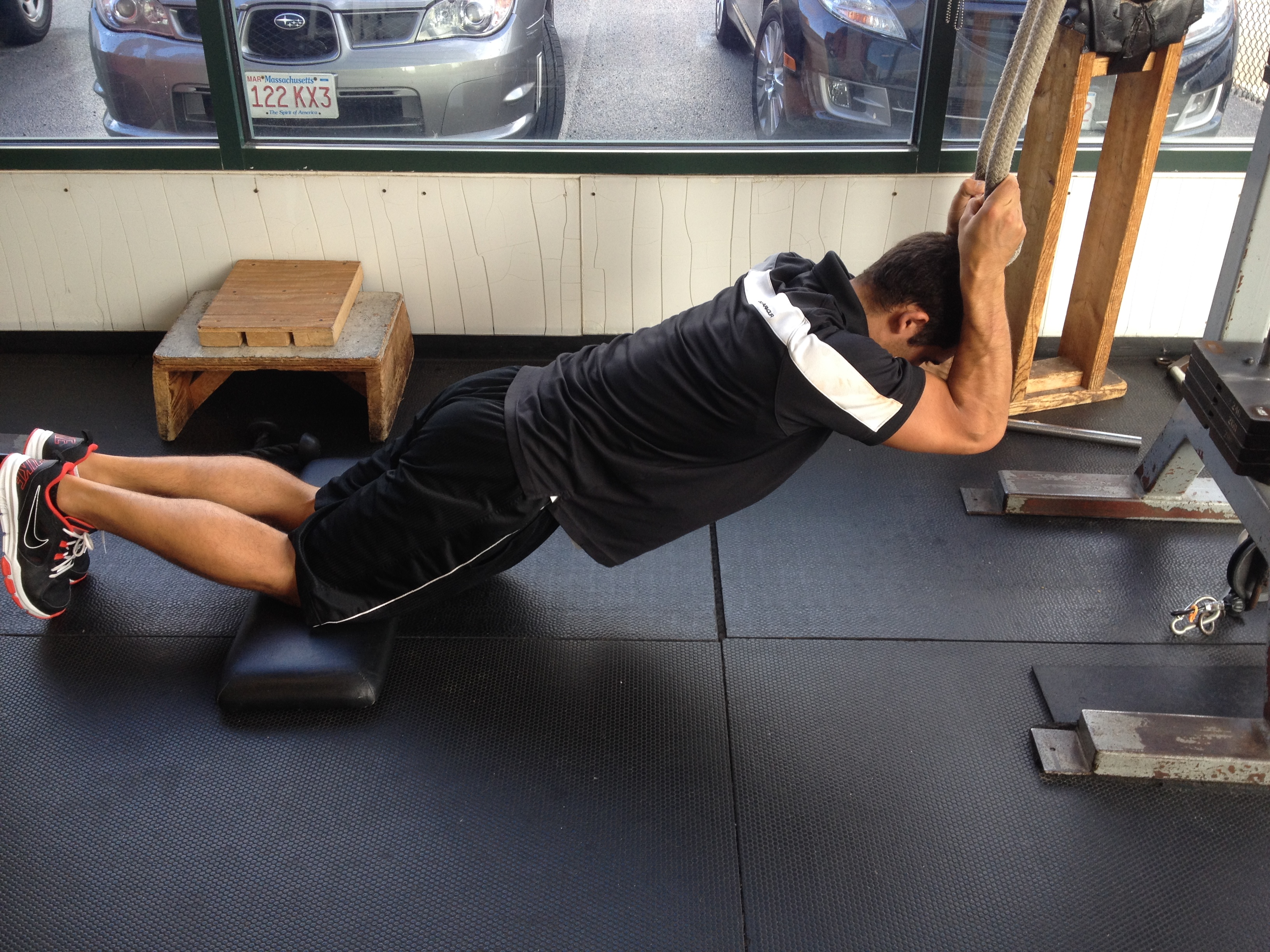
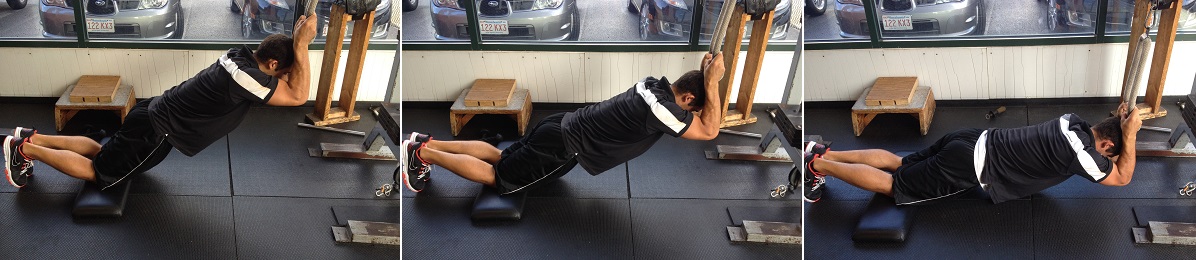
    This exercise isn’t a fallout, nor is it an ab rollout. However, it is performed like them with a rope cable crunch set up. If you don’t know what I am talking about you will soon.

    It asks us to pull weight down to the floor, then control the rise back up while maintaining a neutral spine posture. On the contrary, fallouts and rollouts require us to eccentrically control or lower our own body weight down, and then pull ourselves back up.

    Rivelli Riseout

    There is a short clip of this exercise being performed at the end of this post.

    The Set Up

    1. Grab a pad for your knees.
    2. Head over to a cable machine and place the pad far enough away from it so you can lay down face first, without your head crashing into it.
    3. Add a rope attachment and set it to the highest level the cables can reach.

    Three Vital Cues

    1. Just like any rollout, push up, or fall out variation, you will lead and attack the floor with your entire body.
    2. Your butt should be squeezed like your pinching a penny or cracking a walnut between your cheeks.
    3. Your ribs should be down, with your stomach tight like I’m about to hit you in your abdominals.

    Some Common Mistakes

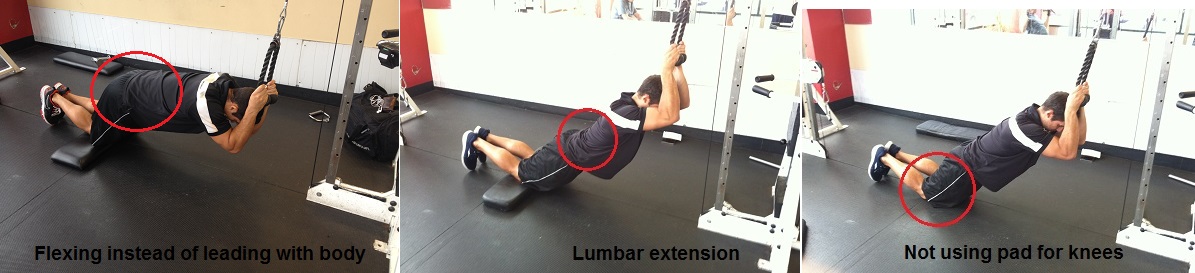
    • Flexing like a cable crunch instead of leading with the body.
    • Letting too much extension occur throughout the low back or lumbar spine.
    • Not using a pad on your knees.

    Three mistakes

    How much weight should you use?

    There is a sweet spot you must find that is very individualized, in order to execute this exercise properly. This exercise requires you to use to a decent amount of weight, otherwise it literally can’t be performed.

    • If you don’t load the cable machine up with enough weight, you will not be able to get back up.
    • If you add too much weight you can’t get your body to the floor while maintaining that rigid plank posture.

    Is there anything else I should know?

    • It’s kind of a pain to find the right resistance at first, but it’s worth it when you find your magic number.
    • Once you find the sweet spot and you are able to add more weight, this exercise actually becomes easier on the way up as you receive more assistance getting up off the floor.
    • Not being strong enough is a large factor on whether or not you can execute this properly. A progression to help you build enough strength for this exercise in a moment.

    Don’t be silly, gain experience and learn solid position and technique with other anti-extension core exercises like front planks and ab rollout variations before attempting it.

    When I say anti-extension core exercises, this simply means exercises where you will be engaging your “six pack” by preventing your lower back from arching. Exercises like front planks, push-ups, rollouts, and suspension fallouts etc. belong in this category. In other words you are using your rectus abdominus to prevent excessive lumbar extension.

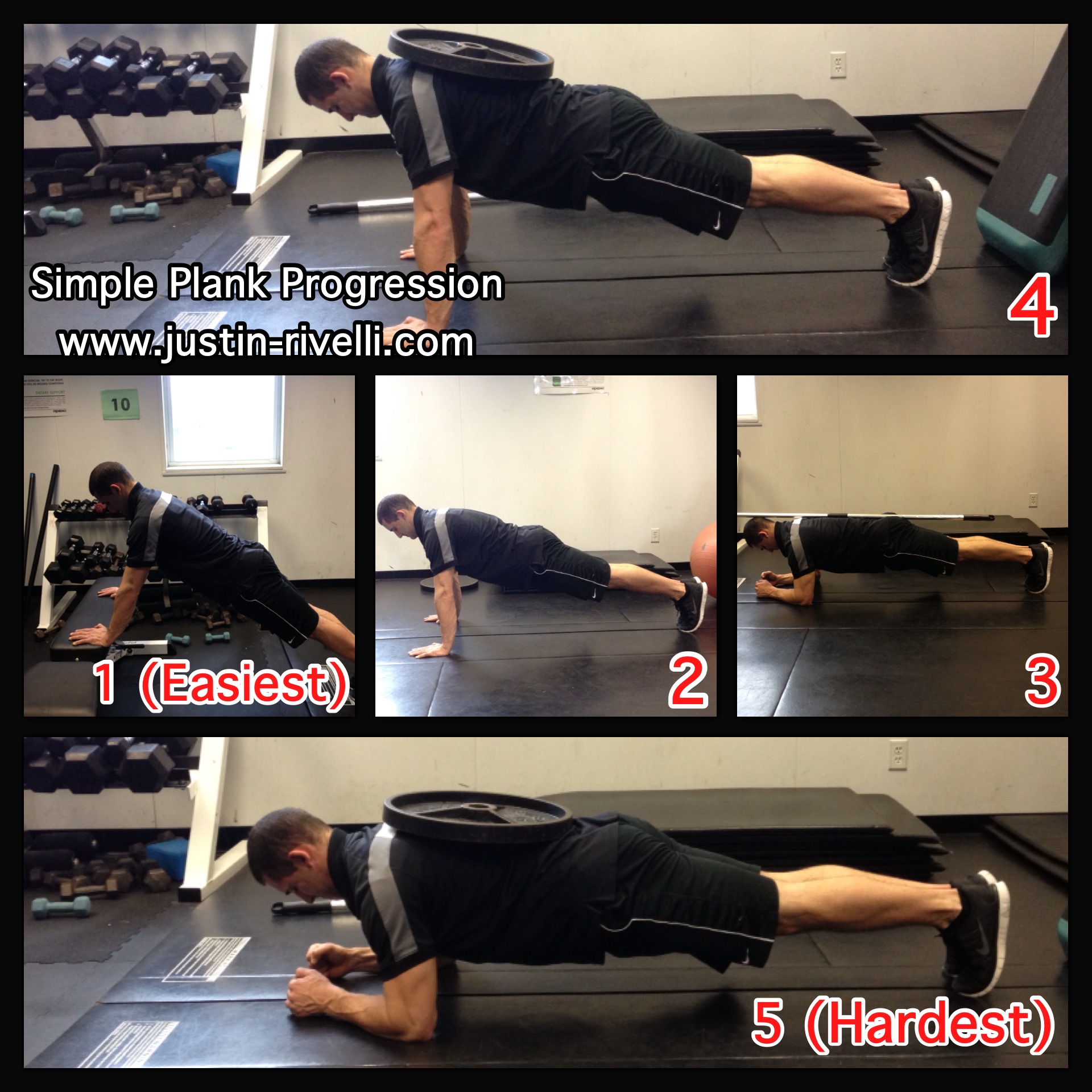
    Here is just one of many progressions I took from my Instagram page, to train your core using anti-extension based exercises so you can progress to the this “cable crunch” variation.

    Front Plank Progression

    The pictures above represent a logical sequence of planks with the difficulty ranging from least challenging (1) with the hands elevated on the bench, to most challenging (5) elbows on the floor with a weight on your back. These are even more challenging if you add more weight on your back, or movement of the limbs while maintaining the proper core and spinal position.

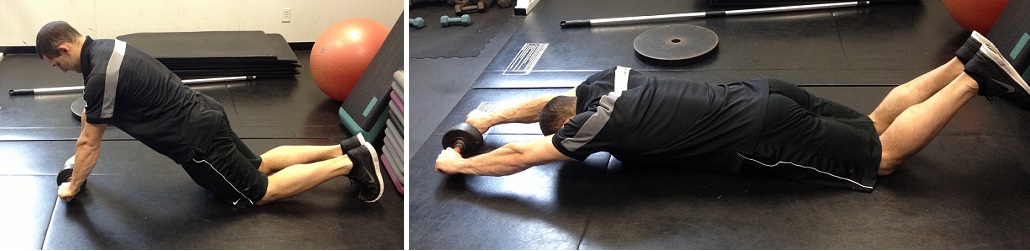
    This exercise is not recommended for people who do not have enough strength to add least do an ab dolly rollout from the knees with proper technique. (picture below)

    Rollout

    During any anti-extension core exercise make certain you check your form.

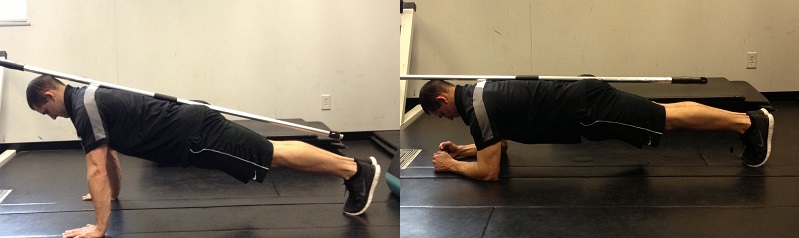
    The pictures below do NOT show ideal front plank positioning.

    To correct this, just place and make sure a dowel rod is in contact with the back of your head, in between your shoulder blades, and on your tailbone like the pictures show below.

    Dowel Rod

    Here are some important cues are to make sure you are getting the most out of these anti-extension exercises like front planks and push ups before you attempt it.

    1. Squeeze the glutes and quadriceps.
    2. Keep the ribs down and the stomach tight.
    3. Don’t let the shoulders shrug to your ears.

    Goodluck!

    P.S. As promised, here is that video if you want to see the variation in action...

  • If You’re a Trainer or Coach, Read This Now!

    If You’re a Trainer or Coach, Read This Now!

    Here’s what you should know…

    • You should be giving the world to your clients, nourishing them like a mother and protecting them like a father. Go above and beyond their expectations every single day.
    • Everyone can be helped, but there are definitely rare instances where you may need to step away from the podium.
    • Your job as a coach is to learn about your clients before applying this information.
    • Motivational speaker Jim Rohn deserves credit for a lot of the information in this post. I have re-styled his incredible words, put a twist on his ideas, and transformed his philosophy to what I believe can greatly benefit the fitness world.

    “Learn to work with the people who deserve it not the people who need it.” -Jim Rohn

    There’s an unlimited amount of people that want and need our help as coaches, but there are many less who deserve it. If you’re reading this I bet you put your heart and soul into each and every person you work with, as do I. The problem is we may be killing ourselves if we give until our last breath to those who need, but do not deserve our services.

    As coaches, if we want to succeed, we must be like life itself and respond to the people who deserve it by planting and taking the first step.

    BE LIKE LIFE itself and respond to deserve, not to need. Life doesn’t say if you need a harvest you will have a harvest, it says if you plant, chances are good you will have one. Life says if you plant you will reap, not if you need you will reap.

    The catch here is we need to teach people how to deserve our time, and to deserve our attention. This isn’t hard.

    “I’ve discovered in 100% of the cases, no exceptions, people who won’t take step number one never take step number two.”- Zig Ziglar

    We can say, “Sharon you take one step, and I will take two steps. You take two steps, and I will take five steps. You don’t step, I don’t step. But if you try, I try. If you make an effort I will take care of you.”

    For example if a client shows up consistently without missing sessions, I will give them a free week of group training, or hand them a gift card for any of my services. If they make an effort, I take an extra step and give them not only my service, but a reward to compliment them.

    Check and confirm your clients understand this before you start helping them.

    As my clients know, before you are able to meet with me in person I have you fill out an information sheet that takes a week to complete if you do it properly. I don’t only do this for the vital data I need, but so I know you are at least somewhat serious and ready to take at least a small step as well.

    If someone messes up, don’t leave them in a mess. We help people cross the bridge. We have the answers.

    Clients have been looking for the answers, and we have them. We help people cross the bridge. We are the ones who see something in our clients before they see something in themselves. We assure them that it’s possible for them to be more than they are, therefore they can have more than they currently possess.

    You must not only help people see themselves as they are, but see themselves better than they are. Transport them to the future to see the person they can become.

    Nourish them like a mother and protect them like a father. Keep them alive, and foster their development. Provide them with the substances necessary for life, growth, and feed, when you perceive they are in a downward spiral. Defend your client against encroachment of outside voices that try to talk them out of it.

    Too many trainers and coaches give up on people devilishly early.

    If something doesn’t go your way, if something doesn’t go their way, if they discontinue training with you etc. don’t let all action decrease or completely stop on your end. Failures are going to occur. What you do with the failures is what matters.

    Let your clients know you are not expecting perfection.

    Nobody should be avoiding a response back to you because they feel foolish they didn’t execute what you agreed on.

    Did you tie your shoes, ride a bike, or play an instrument perfectly the first day, month, or year you attempted any of these skills?

    Probably not, and you probably still don’t. Perfect doesn’t exist, and in every case this is okay. Everything you do from dieting to training takes practice with the objective to get better. Let them know this.

    There is always a way to lend a helping hand during hard times, inspire people when they are down, and to rebound from the side effects of life.

    However, there’s a key word missing here some of our clients may not possess just yet.

    Ambition…

    It’s not the money that buys you fortune it’s your skills and ambition.

    If clients have all the money in the world to buy as many services they want or we recommend, their results will be unsatisfactory if they lack skills and ambition.  On the other hand if clients have no money, but possess ambition and use the skills we teach them correctly, they open up the treasure chest of results we know they can have.

    Again it’s not the money that buys anyone fortune, its skills and ambition.

    Remember, we are the one percent. Most people don’t live in our little world. Some are visiting for the first time.

    You must find out everything about your client before you apply this information otherwise all I just said can be erased from your memory. Ask good questions and make strategic alterations according to what they are able to handle.

    I used to say that I will make everyone successful no matter what, even if it kills me.

    I was wrong. If you’re a dedicated coach you have to realize that we cannot change people, we can only change ourselves.We can inspire, motivate, and lead people to water, but in the end we can’t make them drink it.

    Ambition is a powerful force, if our clients don’t have any there is only so much you can do to drive, influence, and guide them.

    Don’t just read this and just say you hit the nail on the head “my clients don’t deserve me”.

    It’s almost always our fault as a coach someone doesn’t get results or stay consistent. It’s our weakness for not understanding our clients. If they didn’t accomplish something it’s our responsibility to work with them and ask better questions.

    Create your own philosophy on the information I presented you with and feel free to share it with your clients before you start a new relationship. You and your new life will appreciate it,

    Again Motivational speaker Jim Rohn deserves credit for a lot of the information in this post. I have re-styled his incredible words, put a twist on his ideas, and transformed his philosophy to what I believe can greatly benefit the fitness world.

  • If You Have a “Trainer/Coach” Or Are Thinking Of Getting One, Read This Now!

    If You Have a “Trainer/Coach” Or Are Thinking Of Getting One, Read This Now!

    Here is what you should know…

    1. Finding a coach shows you are willing to learn, but don’t just work with anyone.
    2. Don’t be afraid to burn the midnight oil. Qualify and “test drive” each trainer before you pick one.
    3. There’s so much to say here, that I just touched on the main points to hopefully keep your attention.

    Dear anyone who has a trainer or is thinking of working with one,

    If you want the best for yourself you should be researching your “coach” like you would a car, analyzing them inside and out.

    Test drive different professionals before you make a final decision.

    By this I mean meet with each and every coach individually so you can have a better understanding of who you should be working with and who is right for you. The extra time you spend doing this will not only help your short but distant future.

    What Should You Watch Out For When Selecting Or Firing A Coach?

    The common hogwash…

    • If your “trainer” works out with you, instead of training you.
    • If they don’t coach you, meaning give you exercise technique, regression, and progression instructions.
    • If they don’t ask, understand, or focus on your primary goals.
    • If they give the same exact training program, nutrition plan/diet, and/or advice to everyone.
    • If they agree with everything you say and want to do.
    • If they talk to you (instead of coaching you) during exercises. Of course having a conversation about something completely unrelated (like who you saw doing the ice bucket challenge on Facebook last night), is fine to converse about in between sets or while resting.

    Digging a little deeper…

    • If they don’t have their eyes on you, provide hands on assistance, and aren’t delivering cues as needed throughout the session.
    • If they don’t deliver consistent results, follow up, or adjust your programs as needed.
    • If they can’t provide professional and client testimonials, preferably pictures included.
    • If you haven’t seen results, advanced, or developed in any aspect of fitness for a while.

    The final straw…

    • If they don’t keep up with current quality research.
    • If “they have seen it work and don’t care what science says, it works for them and it helps their clients, or they see it work all the time.” We’re all lousy at judging the evidence of our own experience. These people use justifications for their own beliefs. I’m calling fitness misconduct. More info on this at Nick Tumminello’s article here.
    • If they aren’t passionate and caring, eager to help, or practice what they preach.
    • If they do not constantly make sure you are receiving what you agreed on an expected and that your primary goal is getting achieved.
    • If they tell you everything like an authority instead of asking about and working WITH you, aren’t open to other methods and strategies, and don’t admit when they are wrong.

    But wait, here is one more thing that’s harder to pick up on…

    • If they use inflated language, beware. If you don’t understand what your trainer is talking about, you may feel foolish to speak up, and give in to the appearance of their superior knowledge. This is of course, malarkey. To withstand there BS you have to have an inner core of self-reliance, and hold on to your doubts longer than the BS’ing coach holds onto their charade.
    • For example, if someone states common poppycock like, “I’m a functional trainer. I train people dynamically through movements not muscles., and you don’t know what the heck this means, stick to your guns. They’re either hiding something, communicating poorly, or don’t themselves understand what they’re talking about. Don’t assume you’re missing something, assume they are
    • I understand this is difficult, because if you knew what you were talking about, you could respond to the above BS by saying something like,Functional means purpose, and that’s something different for everyone depending on their goal. What do you mean you are a functional trainer? Dynamic means movement, therefore isn’t almost every exercise dynamic by nature because we’re moving during exercise? Are you telling me if my goal is to get a stronger or larger back, I can’t train my back muscles with isolation exercises like rows because I am training my muscles not movements? But I can train things like horizontal pulling, because that’s a movement? They are the same exact thing just different wording. Again, this is just one of many examples of trainers using inflated language to sound superior and smart and/or not understanding what they are conveying.

    Choose wisely because you will learn more in 1-3 sessions from a phenomenal coach, than you will in a lifetime from an average one.

    These people are helping you get the results YOU want. They are leading YOU. They are mentoring YOU. Your dreams and goals are important to YOU. Your trainer is an essential part of the process in helping you achieve them.

    Just because someone is enthusiastic about what they do, and/or has a lot of charisma and credentials, it doesn’t mean…

    They are awesome, correct, or right for you. Even if they are super confident, and have a large following. It also doesn’t mean they will get you to where you want. So yes, you must trust, believe in, and get along with your trainer, but also inspect the points above for sneaky flim-flam before you make a final decision.

  • Three Simple Steps That Teach You How to Deadlift

    Three Simple Steps That Teach You How to Deadlift

    Here’s what you should know…

    • Below are three simple steps that will teach you how to perform the conventional deadlift. I am leaving out a lot of a lot of sophisticated cues to keep this post clean and uncomplicated.
    • Your conventional deadlift will most likely look and feel like a pro’s if you work your way “down” to it.
    • It’s advantageous and imperative you learn to hip hinge before you start deadlifting.
    • There are many different variations of deadlifting (conventional, Jefferson, sumo, trap bar etc.) that require different movement executions. This post isn’t so much about technique per say, but it explains a very simple and effective progression I developed that enables you to perform the conventional deadlift properly.

    Have you ever wanted to perform the deadlift, or asked yourself if you are performing it correctly? I understand it’s a scary exercise, and that it’s one regularly avoided due to the fear or risk of spinal injury. That’s why this article and video series was published. To give you confidence and build assurance so that you can learn it on your own with uncomplicated information.

    Here is what the conventional deadlift looks like upon first glance.

    I register this looks undecorated and straightforward, and that’s the beauty of the deadlift. But don’t assume it doesn’t take some serious repetition to execute this well. Like every other movement or exercise, you will want this lift to become fearless and thoughtless with practice, but when first learning appropriate form, the deadlift will probably require a bit of thinking and could even spawn some chills.

    I am omitting a lot of technical, important, and miniscule cues I use with more experienced lifters in this article. However, most people who call themselves “advanced” should still read this as they often dance around necessary deadlifting technique.

    Prior to getting started, you must accept each individual may appear unalike when performing the exercise, and that’s fine. The main point I want you to grasp is that your form, positioning, and technique throughout the deadlift will probably strike the eye differently than when compared to others. This is mostly because we all have different structures, restrictions, and or limitations etc.

    Enter The Progression…

    STEP #1: LEARN AND MASTER THE HIP HINGE

    https://www.youtube.com/watch?v=fw9YuMaWxJY

    Here is a picture of the hip hinge with a dowel…

    To be able to progress and put the conventional deadlift into practice, you must first learn the hip hinge. I explain it deeply in this post, but decided to make a very quick video for the non-readers above.

    STEP #2: LEARN AND MASTER THE RDL WITH A BARBELL

    https://www.youtube.com/watch?v=l5ZI9CExTng

    Here is a snap shot of the Romanian Deadlift…

    All this is, is a the hip hinge with a barbell in your hands. RDL stands for Romanian deadlift while some even call this a straight leg deadlift. Once you have this, you’re ready for step three. Click the video above for more details on how to perform it.

    STEP #3: WORK THE RDL “DOWN TO THE FLOOR”

    https://www.youtube.com/watch?v=hRa7lnImkqI

    If you didn’t already figure it out, the deadlift asks us to maneuver weight from the ground up. Time and time again, I see this causes people to get in some weird positions when initially getting underway. I notice the “top down” approach tends to improve the conventional deadlift quickly and dramatically. I explain this in the video above.

    How to do this…

    1. Set up a bar just about level with where your arms hang down too.

    Top down rack position

    2. Pick the bar up off the rack, and work your way own to the floor with it, keeping the same exact form you learned in my hip hinge and RDL videos in steps one and two above.

    When you progress the RDL further and further down to the floor, you will eventually be performing the conventional deadlift, with a few minor tweaks that is. Again you can see what I am talking about in the “step three” video above.

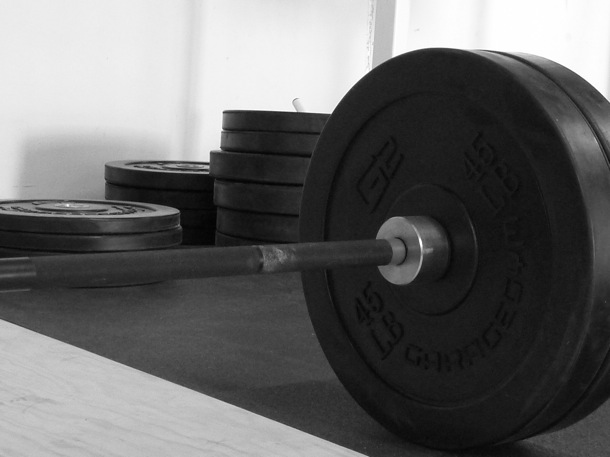
    Note: If you do not have RUBBER OLYMPIC plates, I recommend you…

    Set up a rack, boxes, plates, or steps etc. so the bar can rest at mid shin height with lighter weights like it would normally with the “big boy” 45lbs plates until you are able to use them. Other options include buying the rubber plates yourself, or joining a gym that has them.

    Here is just one way of doing this.

    *BONUS STEP #4: FROM THE GROUND UP

    https://www.youtube.com/watch?v=ueT1uO_x-D4

    Here is a picture of the conventional deadlift, as it starts from the bottom up…

    The deadlift requires you start the exercise from the floor, not from the top down like I showed you in step number three. Now that you know how to lower the bar down to the correct position, it’s time to start pushing your heels into the floor and initiating the exercise from the bottom up. I explain this more in the video above.

    This isn’t easy, it calls for patience, and takes consistent practice with the objective to get better for this progression to work. This is true for all “fitness levels”.

    When first learning the conventional deadlift, people tend to get overwhelmed with too much information too soon. This simple progression allows you to feel the position first, leaving room for more technical instruction to be pursued later on. Expect more “big league” specialized cues on this exercise soon!

  • Protected: How to Get Way More “Oomph” Out of Your Fitness Program

    Protected: How to Get Way More “Oomph” Out of Your Fitness Program

    This content is password-protected. To view it, please enter the password below.

  • Four Critical Things Science, Doctor’s and Coaches Won’t Tell You

    Four Critical Things Science, Doctor’s and Coaches Won’t Tell You

    Although we have access to heaps of research, there is not a study for every little thing we may want to put into practice. If we only implemented already known science into everything we do, we would never come up with anything new. It would limit our creativity and therefore limit the possibility of great discovery. My point is that no matter what science says, things don’t always go as planned when applying it to actual people. Even if its executed perfectly according to the fact finding fieldwork.

    I’m a huge believer of good science. If you’re a health professional and you’re not keeping up with the latest information that affects your field of work, you are doing a huge disservice to your clients, yourself, and everyone else around you. However, a lot of things we “put to the test” aren’t practical, aren’t repeated, and are flawed for some reason or another. They also would have never been studied in the first place had we not thought of it without science first.

    This is why sometimes we need to think outside of the “research box” and use a strategy that “studies” might not support to get the results we want. That includes using anecdotal evidence, experience, and or trial that may not be backed or proven just yet.

    This article is not going to be evidence based. Rather it is going to encompass some formulated thoughts, trials, and tribulations I have witnessed over my life, throughout my coaching career, and in the past decade of training and dieting I regularly find to be unvarnished. Here are a few ingredients not supported by data I find make an impressive dish.

    1. Nobody and I mean nobody performs, feels, or looks there best on the same training and or nutrition strategy as someone else.

    It’s child’s play to suggest, endorse, or promote a single method. There are clearly concepts and fundamentals that apply to everyone, but the greater number of training and nutrition systems are promoting the one-size-fits-all strategy far too frequently. If you do not want to think beyond the “remedy for everything” approach you are being lazy, taking the easy way out, and most likely presenting inaccurate information which does injustice to the patrons.

    There is never one perfect way.  That’s like saying there’s one way to play music, one way to cut vegetables, or one way to kiss.

    ***Take a moment and pick a family friend, coworker, friend, or neighbor to think about as you read the questions below.

    While doing so, compare yourself to the exact person you chose. Point number one above is remarkably obvious when you ask some of these straightforward questions.

    Let’s start easy…

    • Do you both have same goals?
    • Does your height and weight match?
    • Do you have comparable anthropometrics (size and proportions of the human body)?

    If so…

    • Do you work the same hours or have the same schedule?
    • Perform the equivalent amount of activity outside of the gym?
    • Enjoy similar foods?
    • Have identical past or current injuries?

    If so, let’s get personal…

    • Are you to spend an equal amount of money on groceries?
    • Do you have the same food allergies or sensitivities?
    • Do you care equally about what you want to achieve?

    If so, let’s get even more personal…

    • Do you take the same medications?
    • Has your weight changed if at all over the past decade, year, months, or weeks the same amount as the other persons?
    • How much time can each of you spend training per day/week?
    • Does your culture encourage or frown upon consumption of the same foods?

    I could go on forever, but in the few questions you just read you can probably detect it is more than absurd to think two people will “succeed” on the same type of plan (no matter what it is) if they are in it for the long run and want optimal results.

    2. Don’t become branded

    You are not “owned” by anything or anyone. No single program, person or product etc. should run your life. Despite what any piece of data declares, if you aren’t seeing results or just plain feel crappy applying the science that is claimed to be effective, it obviously isn’t benefiting you and you have nothing to lose attempting to strike gold with something else.

    There really isn’t much else I have to say with this point, other than the contrary where people experiment too much and do not give programs a long enough chance to do what they are deemed too.

    3. What we think is working, might not be. 

    This is the one thing science will tell us, but I wanted to include this point, in this post.

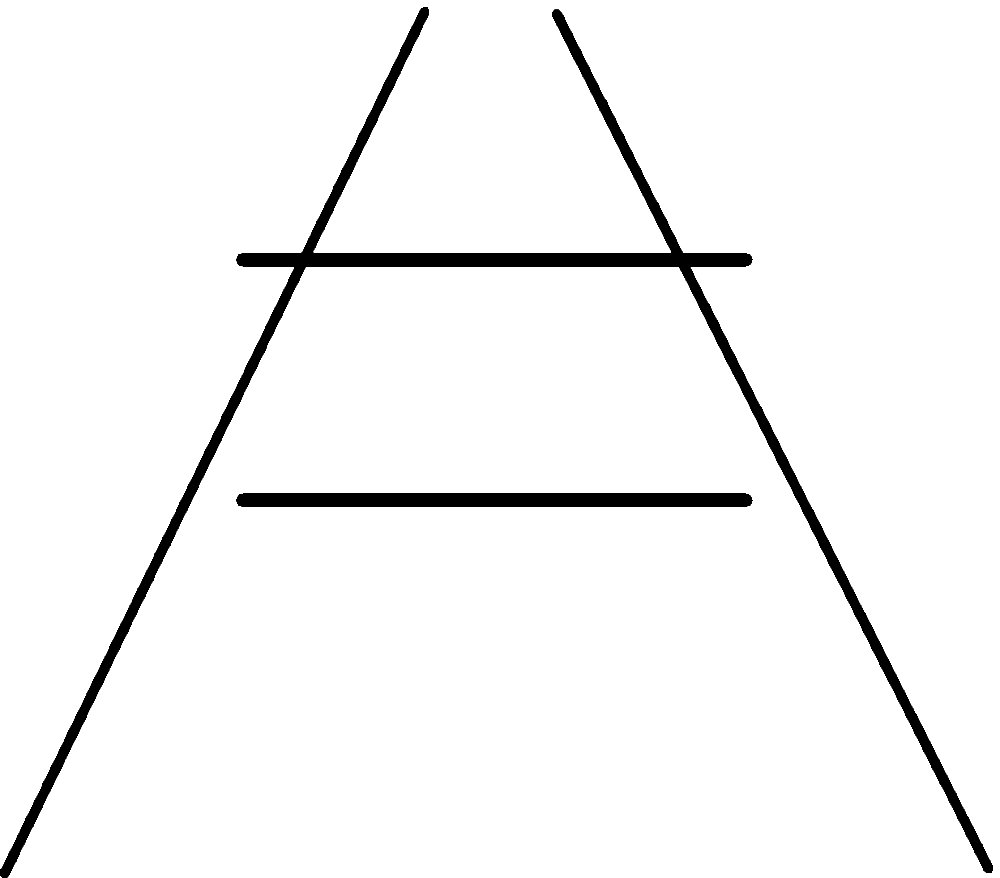
    Our ability to perceive things is imperfect, our memories are limited and faulty, and our minds are filled with biases that distort reality even when the information is right in front of us. Need proof? Look at something as simple as the Ponzo illusion below where both lines are the same size even though they don’t appear to be.

    For example, let’s say you cut lactose and gluten out of your diet to lose weight and you are successful. Now you think milk and wheat based products are the cause of your weight loss and in the future will be the cause of your weight gain if you ever consume them again. But can you really point your finger and demonize these two things?

    1. Did you take into account the possibility that you may have replaced some junk foods with fruits and vegetables, and therefore reduced your total calorie intake?
    2. What about the extra energy you may be expending because you started to move more at the same time you did this?
    3. Or even the fact that you could be eating less because of other reasons, because of the new consciousness of what’s going into your mouth?

    There’s too many other factors involved. Even though what you did may have worked, it is not always the situation. If you really think about it, you will now fear those two food groups when you may not have to or when they could even be beneficial. Even worse you could run around telling everyone something “worked” when it may not have.

    Science does help here, but again I wanted to mention this point in this little post.

    4. Let things affect you, but don’t let them destroy you.

    If you eat a bowl of ice cream or missed a training session, it’s really not a big deal unless you make it one.

    For instance if you think “I blew it” then let loose by eating a whole gallon of ice cream or skipping training sessions consistently, then yes that will eventually be very detrimental. Alternatively if you think “Not a big deal” and  stopped there, you possibly just satisfied a craving you had and on top of that saved yourself from a huge binge in the future. If you restrict yourself too long, or bury yourself into the ground, you will eventually break.

    It’s the same thing as saying I was late for work, now I am going to be rushed or pissed off all day. Or I just broke up with my girlfriend and I am going to go weep in the corner and never date anyone ever again. Instead you could have just accepted both those situations, recognize they happened, but then corrected them without much damage.

    You’re going to face hard choices.

    Since we are human and the only species that can perform science, it can be defective and blemished. Yes facts can be proven scientifically and quantified by numbers, but values which tend to influence attitudes and behaviors can’t. Science seeks knowledge that’s objective and rational (which is what’s so great about it) but we miss the fact that what we do to get the answer is usually subjective and emotional. We need to bring that latter piece out more.  This is what makes us unique. We just make believe that “Genius’s” in white coats have a concrete answer for everything, when as we know this is often not the case.

    Science is great because it can help us overcome our own limitations, and prove what we thought was right or wrong, but for this article I had to go against it.

  • Is Gluten About to Go Extinct? Fear Not?

    Is Gluten About to Go Extinct? Fear Not?

    -We demonize then we empathize…over, and over, and over again.

    After watching a recent TED Talks video where Jon Mooallem explains “The Strange Story of the Teddy Bear”, I recognized a sentence he emitted during the speech that transfers over to what I believe happens in the health and fitness world repeatedly. I know this sounds elementary but he said, “We demonize then we empathize”.

    I modified and shifted this sentence into the world of “well-being” so let me explain what I mean with a rather “live” hot topic so the majority of the population can understand.

    Gluten is about to go extinct.

    Or so it feels this way. We all know it’s not hard to find someone who is either going gluten free because they have (or say they have) celiac disease, some other type of gluten intolerance, sensitivity, ataxia, or dermatitis herpetiformis when consuming it.

    I’m not uttering whether these people do or don’t have a gluten “problem” or should or shouldn’t stay away from it, but this protein composite is getting beat up pretty badly. I’m also not going to get into the actual prevalence of these “cases” because it is out of the context of this article.

    Instead let’s take this rant into an entirely different frame of reference. But first we must notice gluten hasn’t been knocked out just yet and it’s still standing on one leg, just like everything else we demonize. But before we move on let’s look at one more food example so I am sure we are on the same wavelength.

    • About thirty years ago fats were demonized and the word on the street was that fat makes us fat.
    • Around ten years later we started to empathize and understand the importance of some fats, particularly omega 3’s, but still thought saturated fat clogged our arteries.
    • Ten years later we stopped seeing saturated fats as the devil and it started getting some praise.

    What’s my point and why am I telling you this?

    There are different dimensions to how we think about things. The “findings of” or “stories in” health, religion, politics, or anything else in the world are shaped by the people, times, and places in which we are presenting them. By looking at the revolution of fats and now gluten (there are many more “fitness” and real world examples than this) you can see this same cycle playing out over and over again.

    It seems like we are always stuck between demonizing a training or nutrition philosophy and wanting to wipe it out, but then when we get close to doing that or realizing we could be wrong, we empathize with it as an underdog and want to show it compassion.

    When we realize we don’t have to be fearful of it anymore is when it becomes our friend again. We employ our mastery, then we are uneasy with how limited our knowledge actually is.

    Jon Mooallem deserves credit for the structure of the three paragraphs above. All I have done is have revamped his idea of “The Story of the Teddy Bear” and put my own health and fitness spin/meaning behind it.

    Should we get a grip?

    Just look at the popular or even  most “cerebral” fitness sites now. Most were bashing things like CrossFit, high carbohydrates, or certain exercises but are now apologizing for doing so. For example most were saying to “train muscles not movements, eat six meals a day, to perform intermittent fasting etc.”, but are now coming around to respect the possible benefits of training muscles through isolation, are open to eating different amounts/percentages of certain foods, and are also unblocking their strong stance on the set in stone frequencies of feedings etc.

    We need to try and talk the same language as our “foreign” counterparts, with or without science or anecdotal evidence.

    Consider this…

    Hearing or experiencing things like “No, I really lost fat cutting out fat, look at my before and after pictures” doesn’t necessarily mean less fat intake was the cause of body fat reduction. There are too many inconsistencies and variables. Merely expending more energy throughout the day, consuming less calories because of the decreased fat intake, or being more aware of what you are consuming could be the cause of getting leaner. What you believe or think, could be, but isn’t always correct.

    Reading about a topic, even if it’s in a well-respected journal article, could be very misinforming, have been performed poorly, or have no application to the real world. I won’t get into specific examples because I could talk about them for hours and want to stay on track. But even so we can learn there are pros and cons from even the worst and best of research.

    Moral of the story.

    The idea behind this post is so that you don’t just go thinking, telling, and then deprecating something no matter how crazy or obvious it may seem. If you have heard something, read something, or have even seen or experienced something it doesn’t mean it’s true.

    We demonize a chosen “topic”, almost wipe it out (of our heads or culturally), empathize, and then it becomes closer to us. As you can see this statement goes a lot deeper than just a silly string of words. There are too many wavering unknown conditions to pummel something or someone just because you have read, heard, experienced or don’t believe in it. On another note, people may have different goals than you, may not be as disciplined as you to do something, and may not care as much as you. Since I don’t know how to conclude this any better…

    In my next post I am going to talk about “fitness findings” I have had the last 10 years of my training/dieting and throughout my life. It includes both coaching and in the trenches experience. Have a good day:)

  • How to Assesmble a “Gym Bag” Better Than Your Trainer

    How to Assesmble a “Gym Bag” Better Than Your Trainer

    In this article you will learn…

    • How to assemble a phenomenal gym bag.
    • Why I recommend one.
    • A list of items important for you to consider taking with you that you may not have thought of, or needed to be reminded about.

    No, you don’t have to carry anything to the place you are training at to feel safe or to have a successful workout. But if you want to be prepared for an emergency situation and or avoid that “I knew I forgot something!” moment it’s a good idea to assemble a gym bag.

    As coach and health professional, I believe it is my personal responsibility to be prepared for any situation I can be whether I’m dealing with a client, myself, or anyone else in need of help or assistance. Since I spend so much time working with others, training myself, and seeing so many different people walk in and out gym that I don’t know, I would rather feel confident knowing I have the tools and supplies necessary.

    Why is this important??? To start, I have personally seen…

    1. Some pretty serious acute injuries and open wounds like bloody shins and noses, ripped calluses, bruises, muscle strains, sprains, tears and spasms etc.
    2. Fainting, low blood sugar, vomiting, extreme dizziness, and nausea etc.
    3. Bodily fluids on barbells, floors, in bathrooms, locker rooms, and other parts of facilities.
    4. People urinate in unfavorable places like on couches in the sitting areas.

    It’s only the rare cases we cannot help, like the aortic rupture I saw a couple of months ago which requires a phone call for specialized, immediate, professional medical attention. We can’t prevent, treat or stop things like this from getting worse but there are many cases we can. We all know preventing what we are able to is better than having to diagnose or treat an undesirable outcome.

    I will not get into training technique, proper nutrition, or any other prevention strategies as this post is strictly about what to put in your gym bag. Take a look below to get an idea of what you might not of thought about or to remind you how awesome a good bank of supplies is. I put things into categories and gave females an extra section. Also note I made this is more for coaches, but I believe everyone should have most of these things available to them at all times.

    Gym tools:

    • Any special training equipment you wish
    • Chalk
    • Manual therapy/self-massage stuff (foam rollers, lax balls, tennis balls)
    • Monster bands
    • Mini bands
    • Gloves
    • Straps
    • Belt
    • Stopwatch (on phone hopefully!)
    • Training notebook/log (don’t forget pen/pencil etc.)
    • Music/headphones

    Peri-workout nutrition:

    • Extra water bottle
    • Extra protein shaker
    • Electrolytes

    Random:

    • Lock
    • Gym card if not on keys
    • Spare cash
    • Phone charger

    Hygiene:

    • Towels
    • Shower shoes
    • Deodorant
    • Toothbrush
    • Toothpaste
    • Floss
    • Shampoo
    • Conditioner
    • Body wash
    • Shaving cream
    • Razor
    • Lotion
    • Extra pair of clothes
    • Etc.

    First aid: A first aid kit is great, but if you don’t have one, get things like…

    • Elastic bandages in assorted sizes
    • Athletic tape
    • Gauze
    • Paramedic or EMT shears (scissors)
    • Adhesive tape
    • Oral thermometer
    • Sterile surgical gloves (also bring non latex, synthetic, nonpermeable gloves for those that may be allergic)
    • Glutose (oral liquid glucose) paste tube to treat a hypoglycemic or low blood sugar reaction
    • Electrolytes
    • Epi-pen
    • Sterile eye wash
    • Any special eye medications and dressings for those that wear contacts

    Extra for females: 

    • Hair brush
    • Makeup bag
    • Tampons/pads
    • Straightener or curling iron
    • Sports bra
    • Hair ties

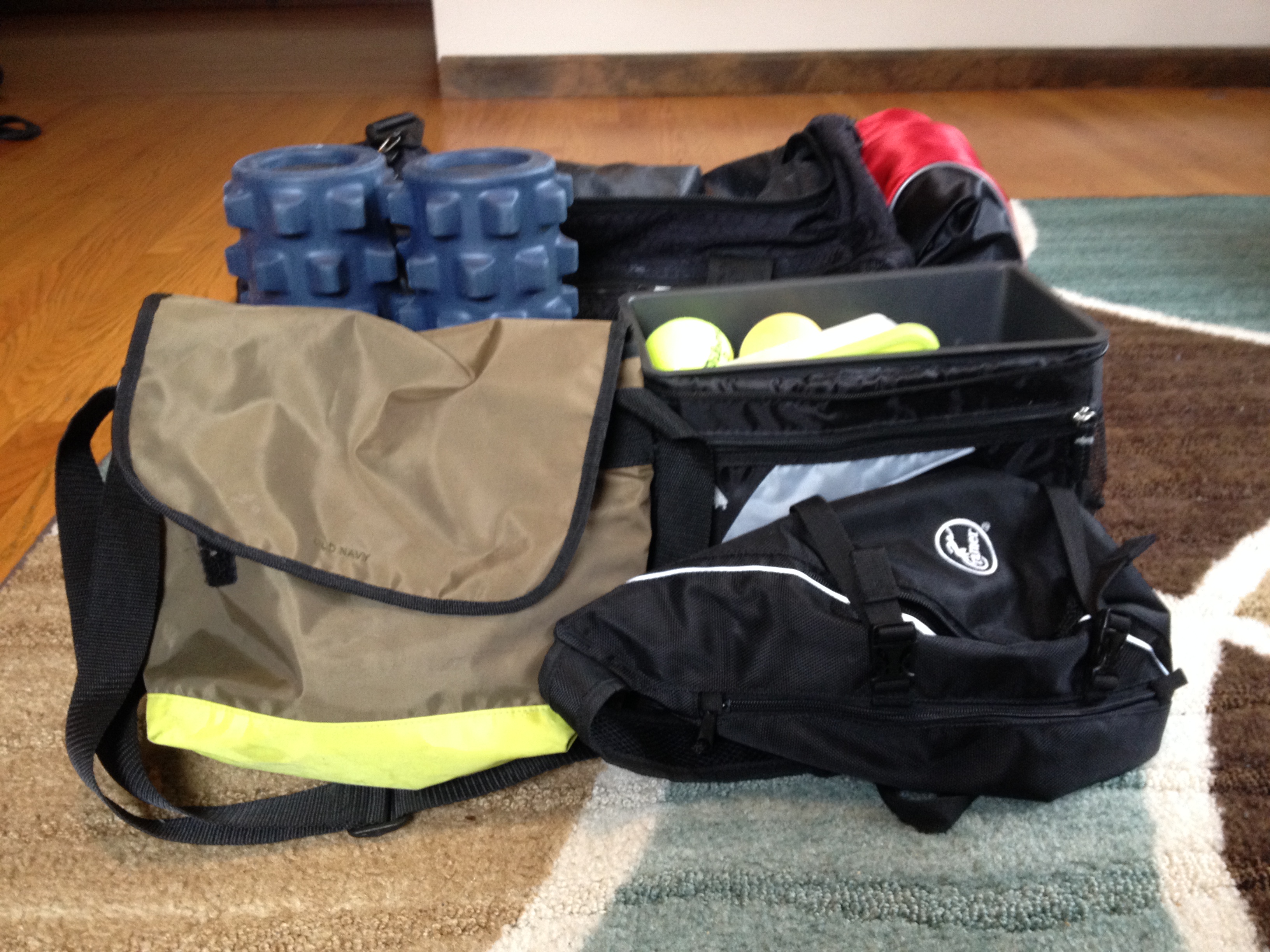
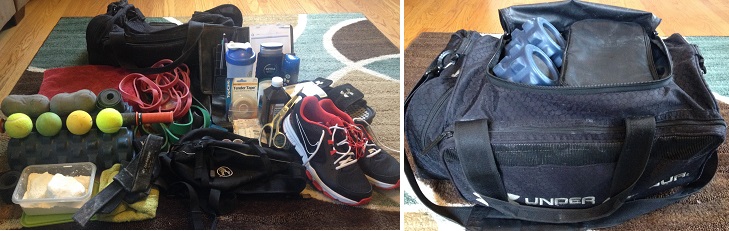
    Even with all of this “stuff”, it fits really nicely when you know how to put a gym bag together. Take a look at mine and see what I mean…

    Bag for site


    To get your bag looking like mine:), a few extra tips that are extremely simple and helpful to keep your bag neat and clean avoiding a dirty, smelly, disaster include…

    1.   Buy a bag you can wash and that is big enough to hold what you need.
    2.  Use smaller bags (I use lunch bags etc.), a shower caddy, and things like toothbrush holders as mini organizers.


    3.  Keep your bag in your trunk, office or wherever will allow you to just up and go.
    4.  Purchase separate or smaller size items to store in your bag so you don’t have to take them in and out every time you go to the gym.

    While it’s not mandatory, it is very useful to  have access to the tools you need, or to even be prepared for a potentially harmful situation while undergoing any type of training or physical activity. I don’t just recommend this post for trainers, coaches of sports teams, or for the average gym goer, but to everyone and anyone. Extra supplies can only help you have a more safe, effective, and successful training session.

  • Fix Your Push-Up Technique With This Simple Progression

    Fix Your Push-Up Technique With This Simple Progression

    In this video I talk about…

    1. Some of the most common mistakes of the push up I come across.
    2. How to fix them.
    3. One of the simplest, yet most effective push up progressions ever.