Category: Uncategorized

  • The Rule of Three (Fitness Version)

    The Rule of Three (Fitness Version)

    When listening to an audio tape, I once heard Brian Tracy explain “The Rule of Three”. This strategy is used to teach business owners how to maximize their priorities. Throughout this post, I have transformed and expanded this concept in a way I believe can greatly benefit people looking to improve their fitness. My words don’t represent him, but I wanted to give credit where it’s due.

    In this article you will learn…

    • There are a countless amount of things you can do that will help you achieve your fitness goals. However, only a select few of them will account for the majority of your results. The rest of your actions won’t generally matter.
    • Today I’m going to give you a simple guide on how to both choose, and execute, what is most important when it comes to attaining your desired outcome. This will also help you filter out engagements that are of little to no significance or value.
    • By answering the three questions below, you will discover what you must do, in order to acquire the success you yearn for. Without knowing or applying the answers, you will not receive results. That is, unless you implement them unintentionally or accidentally.

    Here we go…

    1. If you could only pick one activity to perform, which single achievement would have the absolute greatest effect on the results you desire?

    By way of illustration, let’s say you want to gain lean muscle tissue.

    In this situation, you must put at least some type of stress on your muscles to generate muscular hypertrophy or growth. How you do this, is going to depend on a multitude of factors. Nonetheless your goal will not be achieved in absence of this one action. 

    My point is, your response to this question should simply stick out like a sore thumb. If you are the slightest bit unsure of what this is, do whatever is necessary to find the answer. This will be the factor that determines whether you will succeed or fail.

    2. If you could only pick two activities to perform, which second achievement would have the absolute greatest effect on the results you desire?

    If we stick with our scenario from question one above; we understand that first and foremost, you must apply some type of stress to the body for muscular adaptations, hypertrophy, or growth to occur. Nonetheless, how you decide to do so, is up to you.

    Keeping things simple, let’s assume you decide to start working out. Along with this, your schedule allows you to attend the gym three days week, for forty five minutes each appearance.On the left hand, you spend the majority of your time performing movements that expend little amounts of energy like calf-raises, triceps extensions, and side raises. On the right hand, you opt to execute movements like lunges, squats, and push-ups, where you will expend greater amounts of energy.

    In this scenario, the right hand’s conditions provide you with more suitable behaviors, that give you more bang for your buck. Partaking in anything is great, but if you go with the left hand’s philosophy, generally speaking it’s not optimal according to your original goal. Time and energy could be better spent elsewhere.

    In the end, question two will direct you towards a more appropriate solution, so you are achieving maximum productivity, with minimum wasted effort or expense.

    3. If you could only pick three activities to perform, which third achievement would have the absolute greatest effect on the results you desire?

    I could go on an on with this list of questions, asking you what is the fourth, fifth, and sixth etc. achievement that would have the greatest effect on the results you desire, but by now I’m sure you get the picture.

    The overflow of information, pouring in and out of the fitness industry, generates a lot of confusion about what you should and shouldn’t do to reach your goals. By asking these three questions, you cut out the hogwash, and put the more meaningful, worthy, and useful information into practice. All other actions can be sorted out, completed afterwards, or left undone.

    Just because there are multiple ways to do things, doesn’t mean you should carry out every which way. The answers to these three questions put the focus on chief principles, while getting rid of the unnecessary tasks, that award you with minimal to no results.

    Most individuals who acquire the success they want, tend to apply this material automatically, whether they know it or not. Give yourself a kick in the butt, make a list of things you need to do, and execute the three that are most critical. It doesn’t hurt to remind yourself of what’s most important, and by doing so you will achieve results the greater number of the population only wish they could.
  • WHAT You’re Doing May Not Even Matter

    WHAT You’re Doing May Not Even Matter

    Why are we amazed when some people do things, but turned off when so many others perform that same activity?

    What you implement is important. It’s a decisive factor in determining whether you will receive a magnificent or skunky outcome. Nonetheless, if how you perform that something is lousy, receiving jaw-dropping results is most likely doubtful.

    How you do what you do can bring either total success, or total failure.

    Below are three quick examples before I dive into a fitness illustration.

    1. Most people have the ability to talk. Be that as it may, how you say words, i.e. seriously, or with a sarcastic remark, can draw out totally different consequences.
    2. Numerous amounts of people drive on the daily. But how they operate and control the direction and speed of their motor vehicle will either send them to their destination, or into an accident.
    3. For number three I want you to think of an example of your own. What might not matter, if you’re how is inadequate? Keep it PG.

    The how increases the quality and value of what we do.

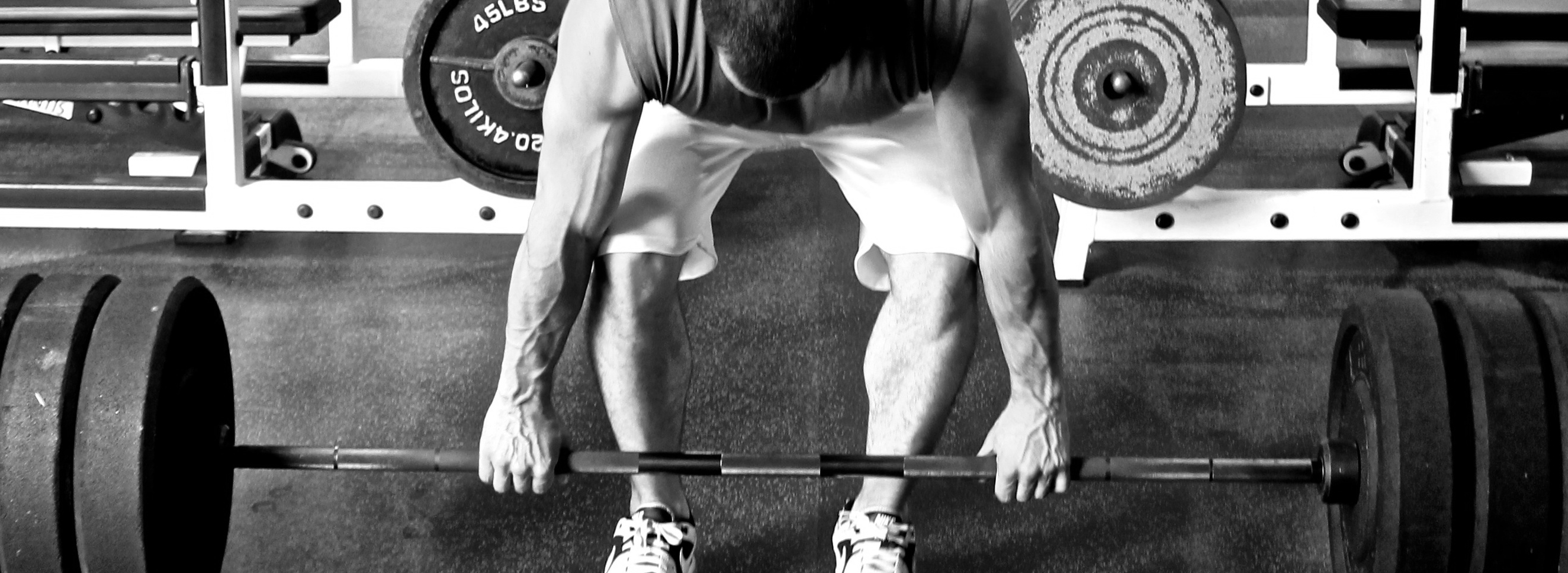
    For instance, imagine you strongly desire to increase the size of your glutes. If you’re a male, you wish to appear more powerful, and if you’re a female, you want to fill out your back pockets and look curvy. You’ve done some research on what exercises to implement, and have chosen to perform Romanian deadlifts (RDL’s).

    If you apply the exercises in this manner, it allows you to stimulate and feel your buttocks working intensely. If you can’t spot this, my glutes are rock solid in the picture below on the right.

    However, if you execute them in ways like this, you completely ignore putting tension on your tush, the exact musculature you have intended too. Observe the arched lower back and relaxed glutes in the picture below on the right.

    You see, even after finding out what exercises to complete, how you execute them can make or break your results. You could perform all the RDL’s in the world, but if you are not applying them accordingly, you will barely stimulate what you desire.

    On a side note, I’m not saying it’s wrong to neglect your glutes or anything else, especially if you’re doing so for a reason. However, if you’re primary goal is being omitted; your success will be as well.

    That’s just one scenario, but my point is, what you’re doing may not even matter if your how is inadequate.

    What activities people engage in, usually aren’t that different. They are familiar to us. How they are performed, is what separates unsatisfactory, from extremely impressive outcomes.

    There are countless amounts of people that train every day. What types of movements they carry out, like squats, push-ups, pull ups, etc., are often very similar, but how they are conduct them, might not be.

    Despite the fact that what is necessary, in the absence of how, the awesome results you’re expecting aren’t as likely. In other words, although what you’re doing is a critical piece of the puzzle, without learning the how, you may be selling yourself short.

    This post isn’t meant to scare you away from taking action. Instead it says once you find out what you should be doing, learn how to do it in a way that will be most beneficial to you.

  • A New “Cable Crunch” Exercise Variation

    A New “Cable Crunch” Exercise Variation

    Here is what you should know…

    1. This exercise isn’t easy and your abs will be screaming just looking at it.
    2. This exercise requires you to maintain a neutral spine position while fighting through some nasty forces trying to break you out of it.
    3. You must master other less challenging anti-extension core exercises with good technique before attempting or performing this. I teach you all about this later on in this post.

    What is this exercise?

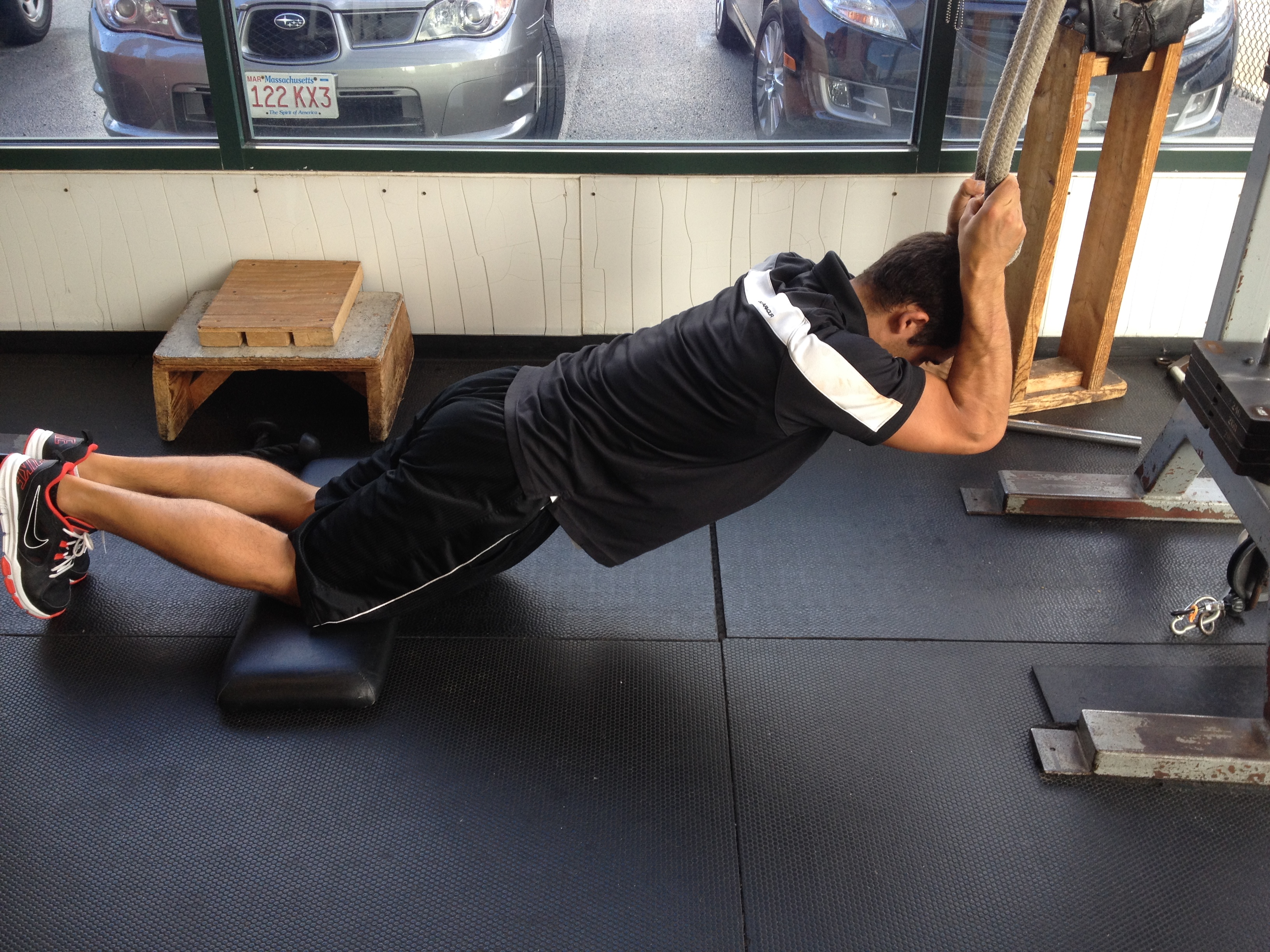
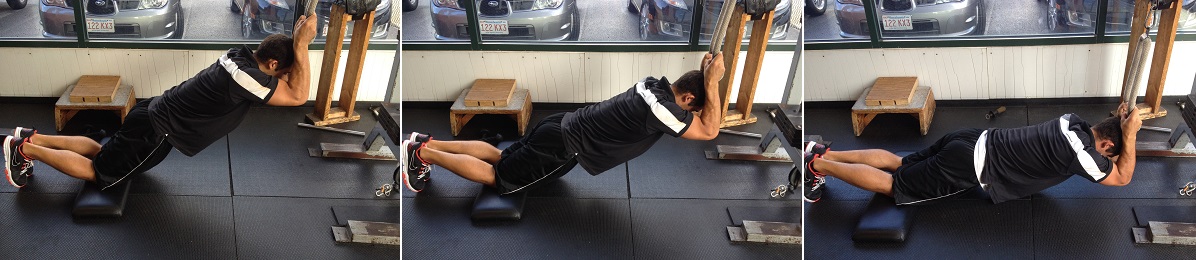
    This exercise isn’t a fallout, nor is it an ab rollout. However, it is performed like them with a rope cable crunch set up. If you don’t know what I am talking about you will soon.

    It asks us to pull weight down to the floor, then control the rise back up while maintaining a neutral spine posture. On the contrary, fallouts and rollouts require us to eccentrically control or lower our own body weight down, and then pull ourselves back up.

    Rivelli Riseout

    There is a short clip of this exercise being performed at the end of this post.

    The Set Up

    1. Grab a pad for your knees.
    2. Head over to a cable machine and place the pad far enough away from it so you can lay down face first, without your head crashing into it.
    3. Add a rope attachment and set it to the highest level the cables can reach.

    Three Vital Cues

    1. Just like any rollout, push up, or fall out variation, you will lead and attack the floor with your entire body.
    2. Your butt should be squeezed like your pinching a penny or cracking a walnut between your cheeks.
    3. Your ribs should be down, with your stomach tight like I’m about to hit you in your abdominals.

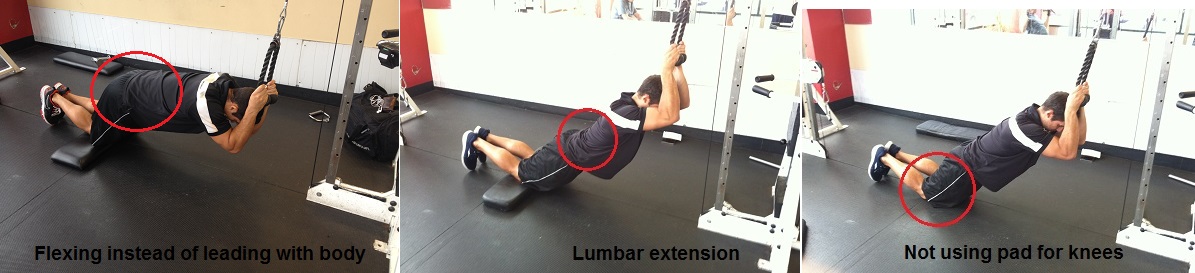
    Some Common Mistakes

    • Flexing like a cable crunch instead of leading with the body.
    • Letting too much extension occur throughout the low back or lumbar spine.
    • Not using a pad on your knees.

    Three mistakes

    How much weight should you use?

    There is a sweet spot you must find that is very individualized, in order to execute this exercise properly. This exercise requires you to use to a decent amount of weight, otherwise it literally can’t be performed.

    • If you don’t load the cable machine up with enough weight, you will not be able to get back up.
    • If you add too much weight you can’t get your body to the floor while maintaining that rigid plank posture.

    Is there anything else I should know?

    • It’s kind of a pain to find the right resistance at first, but it’s worth it when you find your magic number.
    • Once you find the sweet spot and you are able to add more weight, this exercise actually becomes easier on the way up as you receive more assistance getting up off the floor.
    • Not being strong enough is a large factor on whether or not you can execute this properly. A progression to help you build enough strength for this exercise in a moment.

    Don’t be silly, gain experience and learn solid position and technique with other anti-extension core exercises like front planks and ab rollout variations before attempting it.

    When I say anti-extension core exercises, this simply means exercises where you will be engaging your “six pack” by preventing your lower back from arching. Exercises like front planks, push-ups, rollouts, and suspension fallouts etc. belong in this category. In other words you are using your rectus abdominus to prevent excessive lumbar extension.

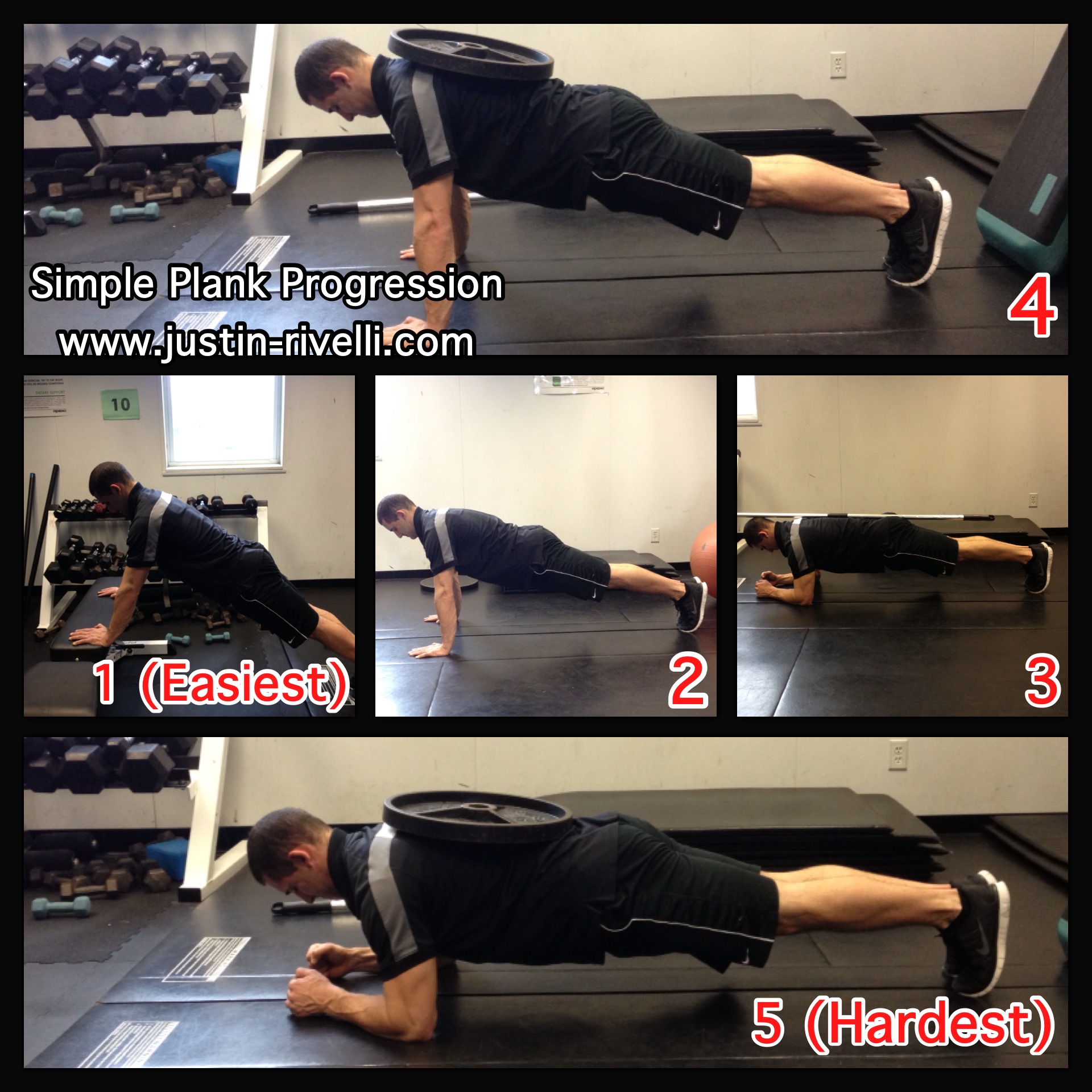
    Here is just one of many progressions I took from my Instagram page, to train your core using anti-extension based exercises so you can progress to the this “cable crunch” variation.

    Front Plank Progression

    The pictures above represent a logical sequence of planks with the difficulty ranging from least challenging (1) with the hands elevated on the bench, to most challenging (5) elbows on the floor with a weight on your back. These are even more challenging if you add more weight on your back, or movement of the limbs while maintaining the proper core and spinal position.

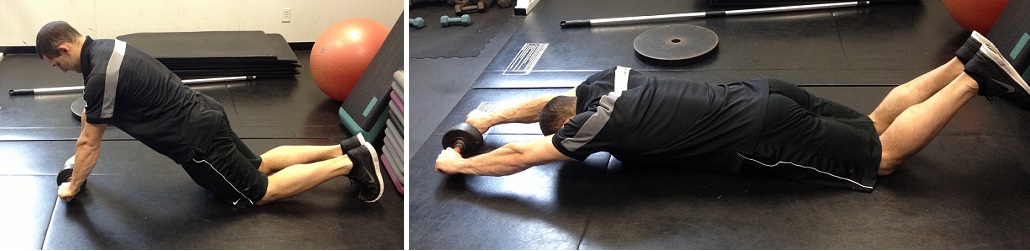
    This exercise is not recommended for people who do not have enough strength to add least do an ab dolly rollout from the knees with proper technique. (picture below)

    Rollout

    During any anti-extension core exercise make certain you check your form.

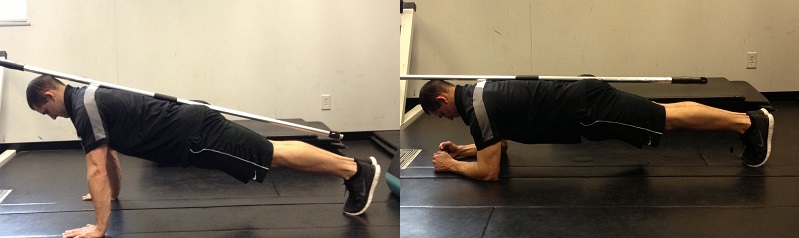
    The pictures below do NOT show ideal front plank positioning.

    To correct this, just place and make sure a dowel rod is in contact with the back of your head, in between your shoulder blades, and on your tailbone like the pictures show below.

    Dowel Rod

    Here are some important cues are to make sure you are getting the most out of these anti-extension exercises like front planks and push ups before you attempt it.

    1. Squeeze the glutes and quadriceps.
    2. Keep the ribs down and the stomach tight.
    3. Don’t let the shoulders shrug to your ears.

    Goodluck!

    P.S. As promised, here is that video if you want to see the variation in action...

  • If You’re a Trainer or Coach, Read This Now!

    If You’re a Trainer or Coach, Read This Now!

    Here’s what you should know…

    • You should be giving the world to your clients, nourishing them like a mother and protecting them like a father. Go above and beyond their expectations every single day.
    • Everyone can be helped, but there are definitely rare instances where you may need to step away from the podium.
    • Your job as a coach is to learn about your clients before applying this information.
    • Motivational speaker Jim Rohn deserves credit for a lot of the information in this post. I have re-styled his incredible words, put a twist on his ideas, and transformed his philosophy to what I believe can greatly benefit the fitness world.

    “Learn to work with the people who deserve it not the people who need it.” -Jim Rohn

    There’s an unlimited amount of people that want and need our help as coaches, but there are many less who deserve it. If you’re reading this I bet you put your heart and soul into each and every person you work with, as do I. The problem is we may be killing ourselves if we give until our last breath to those who need, but do not deserve our services.

    As coaches, if we want to succeed, we must be like life itself and respond to the people who deserve it by planting and taking the first step.

    BE LIKE LIFE itself and respond to deserve, not to need. Life doesn’t say if you need a harvest you will have a harvest, it says if you plant, chances are good you will have one. Life says if you plant you will reap, not if you need you will reap.

    The catch here is we need to teach people how to deserve our time, and to deserve our attention. This isn’t hard.

    “I’ve discovered in 100% of the cases, no exceptions, people who won’t take step number one never take step number two.”- Zig Ziglar

    We can say, “Sharon you take one step, and I will take two steps. You take two steps, and I will take five steps. You don’t step, I don’t step. But if you try, I try. If you make an effort I will take care of you.”

    For example if a client shows up consistently without missing sessions, I will give them a free week of group training, or hand them a gift card for any of my services. If they make an effort, I take an extra step and give them not only my service, but a reward to compliment them.

    Check and confirm your clients understand this before you start helping them.

    As my clients know, before you are able to meet with me in person I have you fill out an information sheet that takes a week to complete if you do it properly. I don’t only do this for the vital data I need, but so I know you are at least somewhat serious and ready to take at least a small step as well.

    If someone messes up, don’t leave them in a mess. We help people cross the bridge. We have the answers.

    Clients have been looking for the answers, and we have them. We help people cross the bridge. We are the ones who see something in our clients before they see something in themselves. We assure them that it’s possible for them to be more than they are, therefore they can have more than they currently possess.

    You must not only help people see themselves as they are, but see themselves better than they are. Transport them to the future to see the person they can become.

    Nourish them like a mother and protect them like a father. Keep them alive, and foster their development. Provide them with the substances necessary for life, growth, and feed, when you perceive they are in a downward spiral. Defend your client against encroachment of outside voices that try to talk them out of it.

    Too many trainers and coaches give up on people devilishly early.

    If something doesn’t go your way, if something doesn’t go their way, if they discontinue training with you etc. don’t let all action decrease or completely stop on your end. Failures are going to occur. What you do with the failures is what matters.

    Let your clients know you are not expecting perfection.

    Nobody should be avoiding a response back to you because they feel foolish they didn’t execute what you agreed on.

    Did you tie your shoes, ride a bike, or play an instrument perfectly the first day, month, or year you attempted any of these skills?

    Probably not, and you probably still don’t. Perfect doesn’t exist, and in every case this is okay. Everything you do from dieting to training takes practice with the objective to get better. Let them know this.

    There is always a way to lend a helping hand during hard times, inspire people when they are down, and to rebound from the side effects of life.

    However, there’s a key word missing here some of our clients may not possess just yet.

    Ambition…

    It’s not the money that buys you fortune it’s your skills and ambition.

    If clients have all the money in the world to buy as many services they want or we recommend, their results will be unsatisfactory if they lack skills and ambition.  On the other hand if clients have no money, but possess ambition and use the skills we teach them correctly, they open up the treasure chest of results we know they can have.

    Again it’s not the money that buys anyone fortune, its skills and ambition.

    Remember, we are the one percent. Most people don’t live in our little world. Some are visiting for the first time.

    You must find out everything about your client before you apply this information otherwise all I just said can be erased from your memory. Ask good questions and make strategic alterations according to what they are able to handle.

    I used to say that I will make everyone successful no matter what, even if it kills me.

    I was wrong. If you’re a dedicated coach you have to realize that we cannot change people, we can only change ourselves.We can inspire, motivate, and lead people to water, but in the end we can’t make them drink it.

    Ambition is a powerful force, if our clients don’t have any there is only so much you can do to drive, influence, and guide them.

    Don’t just read this and just say you hit the nail on the head “my clients don’t deserve me”.

    It’s almost always our fault as a coach someone doesn’t get results or stay consistent. It’s our weakness for not understanding our clients. If they didn’t accomplish something it’s our responsibility to work with them and ask better questions.

    Create your own philosophy on the information I presented you with and feel free to share it with your clients before you start a new relationship. You and your new life will appreciate it,

    Again Motivational speaker Jim Rohn deserves credit for a lot of the information in this post. I have re-styled his incredible words, put a twist on his ideas, and transformed his philosophy to what I believe can greatly benefit the fitness world.

  • If You Have a “Trainer/Coach” Or Are Thinking Of Getting One, Read This Now!

    If You Have a “Trainer/Coach” Or Are Thinking Of Getting One, Read This Now!

    Here is what you should know…

    1. Finding a coach shows you are willing to learn, but don’t just work with anyone.
    2. Don’t be afraid to burn the midnight oil. Qualify and “test drive” each trainer before you pick one.
    3. There’s so much to say here, that I just touched on the main points to hopefully keep your attention.

    Dear anyone who has a trainer or is thinking of working with one,

    If you want the best for yourself you should be researching your “coach” like you would a car, analyzing them inside and out.

    Test drive different professionals before you make a final decision.

    By this I mean meet with each and every coach individually so you can have a better understanding of who you should be working with and who is right for you. The extra time you spend doing this will not only help your short but distant future.

    What Should You Watch Out For When Selecting Or Firing A Coach?

    The common hogwash…

    • If your “trainer” works out with you, instead of training you.
    • If they don’t coach you, meaning give you exercise technique, regression, and progression instructions.
    • If they don’t ask, understand, or focus on your primary goals.
    • If they give the same exact training program, nutrition plan/diet, and/or advice to everyone.
    • If they agree with everything you say and want to do.
    • If they talk to you (instead of coaching you) during exercises. Of course having a conversation about something completely unrelated (like who you saw doing the ice bucket challenge on Facebook last night), is fine to converse about in between sets or while resting.

    Digging a little deeper…

    • If they don’t have their eyes on you, provide hands on assistance, and aren’t delivering cues as needed throughout the session.
    • If they don’t deliver consistent results, follow up, or adjust your programs as needed.
    • If they can’t provide professional and client testimonials, preferably pictures included.
    • If you haven’t seen results, advanced, or developed in any aspect of fitness for a while.

    The final straw…

    • If they don’t keep up with current quality research.
    • If “they have seen it work and don’t care what science says, it works for them and it helps their clients, or they see it work all the time.” We’re all lousy at judging the evidence of our own experience. These people use justifications for their own beliefs. I’m calling fitness misconduct. More info on this at Nick Tumminello’s article here.
    • If they aren’t passionate and caring, eager to help, or practice what they preach.
    • If they do not constantly make sure you are receiving what you agreed on an expected and that your primary goal is getting achieved.
    • If they tell you everything like an authority instead of asking about and working WITH you, aren’t open to other methods and strategies, and don’t admit when they are wrong.

    But wait, here is one more thing that’s harder to pick up on…

    • If they use inflated language, beware. If you don’t understand what your trainer is talking about, you may feel foolish to speak up, and give in to the appearance of their superior knowledge. This is of course, malarkey. To withstand there BS you have to have an inner core of self-reliance, and hold on to your doubts longer than the BS’ing coach holds onto their charade.
    • For example, if someone states common poppycock like, “I’m a functional trainer. I train people dynamically through movements not muscles., and you don’t know what the heck this means, stick to your guns. They’re either hiding something, communicating poorly, or don’t themselves understand what they’re talking about. Don’t assume you’re missing something, assume they are
    • I understand this is difficult, because if you knew what you were talking about, you could respond to the above BS by saying something like,Functional means purpose, and that’s something different for everyone depending on their goal. What do you mean you are a functional trainer? Dynamic means movement, therefore isn’t almost every exercise dynamic by nature because we’re moving during exercise? Are you telling me if my goal is to get a stronger or larger back, I can’t train my back muscles with isolation exercises like rows because I am training my muscles not movements? But I can train things like horizontal pulling, because that’s a movement? They are the same exact thing just different wording. Again, this is just one of many examples of trainers using inflated language to sound superior and smart and/or not understanding what they are conveying.

    Choose wisely because you will learn more in 1-3 sessions from a phenomenal coach, than you will in a lifetime from an average one.

    These people are helping you get the results YOU want. They are leading YOU. They are mentoring YOU. Your dreams and goals are important to YOU. Your trainer is an essential part of the process in helping you achieve them.

    Just because someone is enthusiastic about what they do, and/or has a lot of charisma and credentials, it doesn’t mean…

    They are awesome, correct, or right for you. Even if they are super confident, and have a large following. It also doesn’t mean they will get you to where you want. So yes, you must trust, believe in, and get along with your trainer, but also inspect the points above for sneaky flim-flam before you make a final decision.

  • Protected: How to Get Way More “Oomph” Out of Your Fitness Program

    Protected: How to Get Way More “Oomph” Out of Your Fitness Program

    This content is password-protected. To view it, please enter the password below.

  • Four Critical Things Science, Doctor’s and Coaches Won’t Tell You

    Four Critical Things Science, Doctor’s and Coaches Won’t Tell You

    Although we have access to heaps of research, there is not a study for every little thing we may want to put into practice. If we only implemented already known science into everything we do, we would never come up with anything new. It would limit our creativity and therefore limit the possibility of great discovery. My point is that no matter what science says, things don’t always go as planned when applying it to actual people. Even if its executed perfectly according to the fact finding fieldwork.

    I’m a huge believer of good science. If you’re a health professional and you’re not keeping up with the latest information that affects your field of work, you are doing a huge disservice to your clients, yourself, and everyone else around you. However, a lot of things we “put to the test” aren’t practical, aren’t repeated, and are flawed for some reason or another. They also would have never been studied in the first place had we not thought of it without science first.

    This is why sometimes we need to think outside of the “research box” and use a strategy that “studies” might not support to get the results we want. That includes using anecdotal evidence, experience, and or trial that may not be backed or proven just yet.

    This article is not going to be evidence based. Rather it is going to encompass some formulated thoughts, trials, and tribulations I have witnessed over my life, throughout my coaching career, and in the past decade of training and dieting I regularly find to be unvarnished. Here are a few ingredients not supported by data I find make an impressive dish.

    1. Nobody and I mean nobody performs, feels, or looks there best on the same training and or nutrition strategy as someone else.

    It’s child’s play to suggest, endorse, or promote a single method. There are clearly concepts and fundamentals that apply to everyone, but the greater number of training and nutrition systems are promoting the one-size-fits-all strategy far too frequently. If you do not want to think beyond the “remedy for everything” approach you are being lazy, taking the easy way out, and most likely presenting inaccurate information which does injustice to the patrons.

    There is never one perfect way.  That’s like saying there’s one way to play music, one way to cut vegetables, or one way to kiss.

    ***Take a moment and pick a family friend, coworker, friend, or neighbor to think about as you read the questions below.

    While doing so, compare yourself to the exact person you chose. Point number one above is remarkably obvious when you ask some of these straightforward questions.

    Let’s start easy…

    • Do you both have same goals?
    • Does your height and weight match?
    • Do you have comparable anthropometrics (size and proportions of the human body)?

    If so…

    • Do you work the same hours or have the same schedule?
    • Perform the equivalent amount of activity outside of the gym?
    • Enjoy similar foods?
    • Have identical past or current injuries?

    If so, let’s get personal…

    • Are you to spend an equal amount of money on groceries?
    • Do you have the same food allergies or sensitivities?
    • Do you care equally about what you want to achieve?

    If so, let’s get even more personal…

    • Do you take the same medications?
    • Has your weight changed if at all over the past decade, year, months, or weeks the same amount as the other persons?
    • How much time can each of you spend training per day/week?
    • Does your culture encourage or frown upon consumption of the same foods?

    I could go on forever, but in the few questions you just read you can probably detect it is more than absurd to think two people will “succeed” on the same type of plan (no matter what it is) if they are in it for the long run and want optimal results.

    2. Don’t become branded

    You are not “owned” by anything or anyone. No single program, person or product etc. should run your life. Despite what any piece of data declares, if you aren’t seeing results or just plain feel crappy applying the science that is claimed to be effective, it obviously isn’t benefiting you and you have nothing to lose attempting to strike gold with something else.

    There really isn’t much else I have to say with this point, other than the contrary where people experiment too much and do not give programs a long enough chance to do what they are deemed too.

    3. What we think is working, might not be. 

    This is the one thing science will tell us, but I wanted to include this point, in this post.

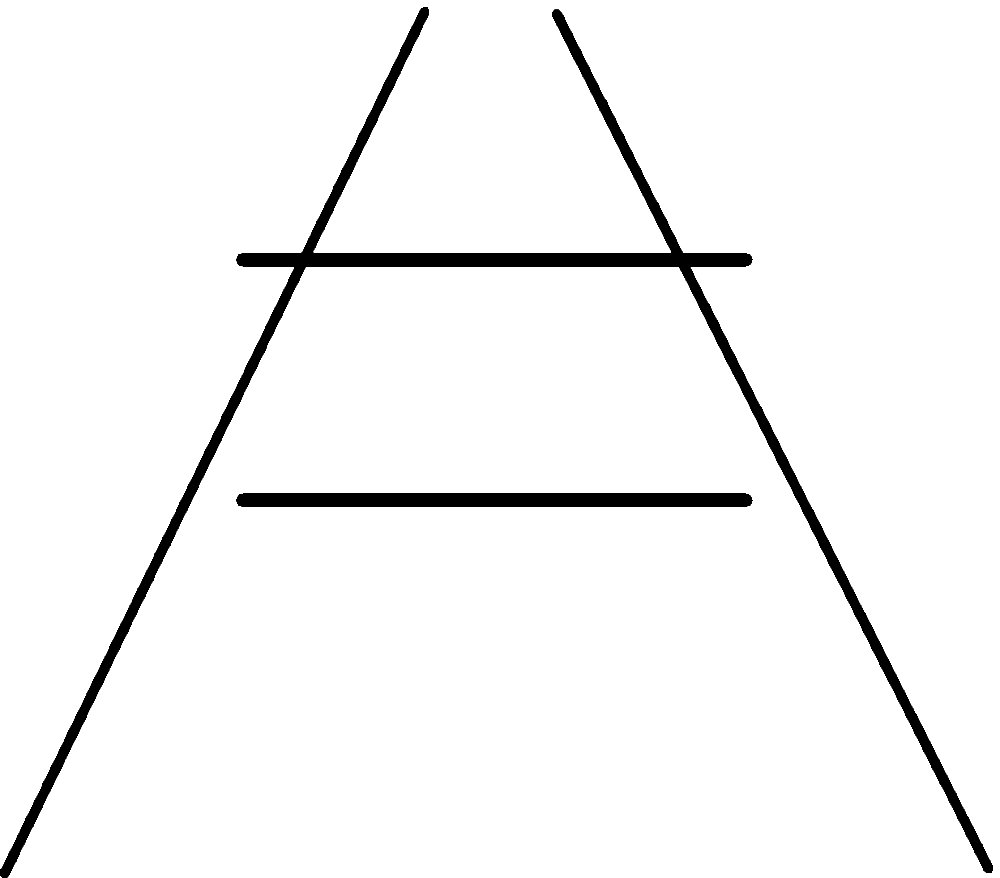
    Our ability to perceive things is imperfect, our memories are limited and faulty, and our minds are filled with biases that distort reality even when the information is right in front of us. Need proof? Look at something as simple as the Ponzo illusion below where both lines are the same size even though they don’t appear to be.

    For example, let’s say you cut lactose and gluten out of your diet to lose weight and you are successful. Now you think milk and wheat based products are the cause of your weight loss and in the future will be the cause of your weight gain if you ever consume them again. But can you really point your finger and demonize these two things?

    1. Did you take into account the possibility that you may have replaced some junk foods with fruits and vegetables, and therefore reduced your total calorie intake?
    2. What about the extra energy you may be expending because you started to move more at the same time you did this?
    3. Or even the fact that you could be eating less because of other reasons, because of the new consciousness of what’s going into your mouth?

    There’s too many other factors involved. Even though what you did may have worked, it is not always the situation. If you really think about it, you will now fear those two food groups when you may not have to or when they could even be beneficial. Even worse you could run around telling everyone something “worked” when it may not have.

    Science does help here, but again I wanted to mention this point in this little post.

    4. Let things affect you, but don’t let them destroy you.

    If you eat a bowl of ice cream or missed a training session, it’s really not a big deal unless you make it one.

    For instance if you think “I blew it” then let loose by eating a whole gallon of ice cream or skipping training sessions consistently, then yes that will eventually be very detrimental. Alternatively if you think “Not a big deal” and  stopped there, you possibly just satisfied a craving you had and on top of that saved yourself from a huge binge in the future. If you restrict yourself too long, or bury yourself into the ground, you will eventually break.

    It’s the same thing as saying I was late for work, now I am going to be rushed or pissed off all day. Or I just broke up with my girlfriend and I am going to go weep in the corner and never date anyone ever again. Instead you could have just accepted both those situations, recognize they happened, but then corrected them without much damage.

    You’re going to face hard choices.

    Since we are human and the only species that can perform science, it can be defective and blemished. Yes facts can be proven scientifically and quantified by numbers, but values which tend to influence attitudes and behaviors can’t. Science seeks knowledge that’s objective and rational (which is what’s so great about it) but we miss the fact that what we do to get the answer is usually subjective and emotional. We need to bring that latter piece out more.  This is what makes us unique. We just make believe that “Genius’s” in white coats have a concrete answer for everything, when as we know this is often not the case.

    Science is great because it can help us overcome our own limitations, and prove what we thought was right or wrong, but for this article I had to go against it.

  • Is Gluten About to Go Extinct? Fear Not?

    Is Gluten About to Go Extinct? Fear Not?

    -We demonize then we empathize…over, and over, and over again.

    After watching a recent TED Talks video where Jon Mooallem explains “The Strange Story of the Teddy Bear”, I recognized a sentence he emitted during the speech that transfers over to what I believe happens in the health and fitness world repeatedly. I know this sounds elementary but he said, “We demonize then we empathize”.

    I modified and shifted this sentence into the world of “well-being” so let me explain what I mean with a rather “live” hot topic so the majority of the population can understand.

    Gluten is about to go extinct.

    Or so it feels this way. We all know it’s not hard to find someone who is either going gluten free because they have (or say they have) celiac disease, some other type of gluten intolerance, sensitivity, ataxia, or dermatitis herpetiformis when consuming it.

    I’m not uttering whether these people do or don’t have a gluten “problem” or should or shouldn’t stay away from it, but this protein composite is getting beat up pretty badly. I’m also not going to get into the actual prevalence of these “cases” because it is out of the context of this article.

    Instead let’s take this rant into an entirely different frame of reference. But first we must notice gluten hasn’t been knocked out just yet and it’s still standing on one leg, just like everything else we demonize. But before we move on let’s look at one more food example so I am sure we are on the same wavelength.

    • About thirty years ago fats were demonized and the word on the street was that fat makes us fat.
    • Around ten years later we started to empathize and understand the importance of some fats, particularly omega 3’s, but still thought saturated fat clogged our arteries.
    • Ten years later we stopped seeing saturated fats as the devil and it started getting some praise.

    What’s my point and why am I telling you this?

    There are different dimensions to how we think about things. The “findings of” or “stories in” health, religion, politics, or anything else in the world are shaped by the people, times, and places in which we are presenting them. By looking at the revolution of fats and now gluten (there are many more “fitness” and real world examples than this) you can see this same cycle playing out over and over again.

    It seems like we are always stuck between demonizing a training or nutrition philosophy and wanting to wipe it out, but then when we get close to doing that or realizing we could be wrong, we empathize with it as an underdog and want to show it compassion.

    When we realize we don’t have to be fearful of it anymore is when it becomes our friend again. We employ our mastery, then we are uneasy with how limited our knowledge actually is.

    Jon Mooallem deserves credit for the structure of the three paragraphs above. All I have done is have revamped his idea of “The Story of the Teddy Bear” and put my own health and fitness spin/meaning behind it.

    Should we get a grip?

    Just look at the popular or even  most “cerebral” fitness sites now. Most were bashing things like CrossFit, high carbohydrates, or certain exercises but are now apologizing for doing so. For example most were saying to “train muscles not movements, eat six meals a day, to perform intermittent fasting etc.”, but are now coming around to respect the possible benefits of training muscles through isolation, are open to eating different amounts/percentages of certain foods, and are also unblocking their strong stance on the set in stone frequencies of feedings etc.

    We need to try and talk the same language as our “foreign” counterparts, with or without science or anecdotal evidence.

    Consider this…

    Hearing or experiencing things like “No, I really lost fat cutting out fat, look at my before and after pictures” doesn’t necessarily mean less fat intake was the cause of body fat reduction. There are too many inconsistencies and variables. Merely expending more energy throughout the day, consuming less calories because of the decreased fat intake, or being more aware of what you are consuming could be the cause of getting leaner. What you believe or think, could be, but isn’t always correct.

    Reading about a topic, even if it’s in a well-respected journal article, could be very misinforming, have been performed poorly, or have no application to the real world. I won’t get into specific examples because I could talk about them for hours and want to stay on track. But even so we can learn there are pros and cons from even the worst and best of research.

    Moral of the story.

    The idea behind this post is so that you don’t just go thinking, telling, and then deprecating something no matter how crazy or obvious it may seem. If you have heard something, read something, or have even seen or experienced something it doesn’t mean it’s true.

    We demonize a chosen “topic”, almost wipe it out (of our heads or culturally), empathize, and then it becomes closer to us. As you can see this statement goes a lot deeper than just a silly string of words. There are too many wavering unknown conditions to pummel something or someone just because you have read, heard, experienced or don’t believe in it. On another note, people may have different goals than you, may not be as disciplined as you to do something, and may not care as much as you. Since I don’t know how to conclude this any better…

    In my next post I am going to talk about “fitness findings” I have had the last 10 years of my training/dieting and throughout my life. It includes both coaching and in the trenches experience. Have a good day:)

  • How to Assesmble a “Gym Bag” Better Than Your Trainer

    How to Assesmble a “Gym Bag” Better Than Your Trainer

    In this article you will learn…

    • How to assemble a phenomenal gym bag.
    • Why I recommend one.
    • A list of items important for you to consider taking with you that you may not have thought of, or needed to be reminded about.

    No, you don’t have to carry anything to the place you are training at to feel safe or to have a successful workout. But if you want to be prepared for an emergency situation and or avoid that “I knew I forgot something!” moment it’s a good idea to assemble a gym bag.

    As coach and health professional, I believe it is my personal responsibility to be prepared for any situation I can be whether I’m dealing with a client, myself, or anyone else in need of help or assistance. Since I spend so much time working with others, training myself, and seeing so many different people walk in and out gym that I don’t know, I would rather feel confident knowing I have the tools and supplies necessary.

    Why is this important??? To start, I have personally seen…

    1. Some pretty serious acute injuries and open wounds like bloody shins and noses, ripped calluses, bruises, muscle strains, sprains, tears and spasms etc.
    2. Fainting, low blood sugar, vomiting, extreme dizziness, and nausea etc.
    3. Bodily fluids on barbells, floors, in bathrooms, locker rooms, and other parts of facilities.
    4. People urinate in unfavorable places like on couches in the sitting areas.

    It’s only the rare cases we cannot help, like the aortic rupture I saw a couple of months ago which requires a phone call for specialized, immediate, professional medical attention. We can’t prevent, treat or stop things like this from getting worse but there are many cases we can. We all know preventing what we are able to is better than having to diagnose or treat an undesirable outcome.

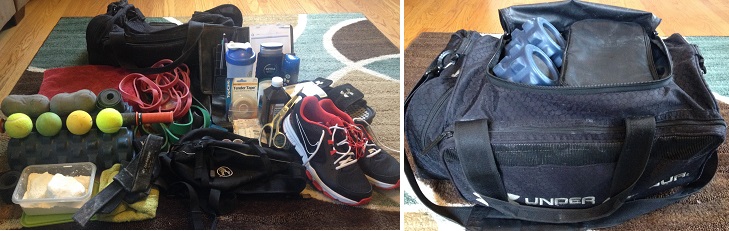
    I will not get into training technique, proper nutrition, or any other prevention strategies as this post is strictly about what to put in your gym bag. Take a look below to get an idea of what you might not of thought about or to remind you how awesome a good bank of supplies is. I put things into categories and gave females an extra section. Also note I made this is more for coaches, but I believe everyone should have most of these things available to them at all times.

    Gym tools:

    • Any special training equipment you wish
    • Chalk
    • Manual therapy/self-massage stuff (foam rollers, lax balls, tennis balls)
    • Monster bands
    • Mini bands
    • Gloves
    • Straps
    • Belt
    • Stopwatch (on phone hopefully!)
    • Training notebook/log (don’t forget pen/pencil etc.)
    • Music/headphones

    Peri-workout nutrition:

    • Extra water bottle
    • Extra protein shaker
    • Electrolytes

    Random:

    • Lock
    • Gym card if not on keys
    • Spare cash
    • Phone charger

    Hygiene:

    • Towels
    • Shower shoes
    • Deodorant
    • Toothbrush
    • Toothpaste
    • Floss
    • Shampoo
    • Conditioner
    • Body wash
    • Shaving cream
    • Razor
    • Lotion
    • Extra pair of clothes
    • Etc.

    First aid: A first aid kit is great, but if you don’t have one, get things like…

    • Elastic bandages in assorted sizes
    • Athletic tape
    • Gauze
    • Paramedic or EMT shears (scissors)
    • Adhesive tape
    • Oral thermometer
    • Sterile surgical gloves (also bring non latex, synthetic, nonpermeable gloves for those that may be allergic)
    • Glutose (oral liquid glucose) paste tube to treat a hypoglycemic or low blood sugar reaction
    • Electrolytes
    • Epi-pen
    • Sterile eye wash
    • Any special eye medications and dressings for those that wear contacts

    Extra for females: 

    • Hair brush
    • Makeup bag
    • Tampons/pads
    • Straightener or curling iron
    • Sports bra
    • Hair ties

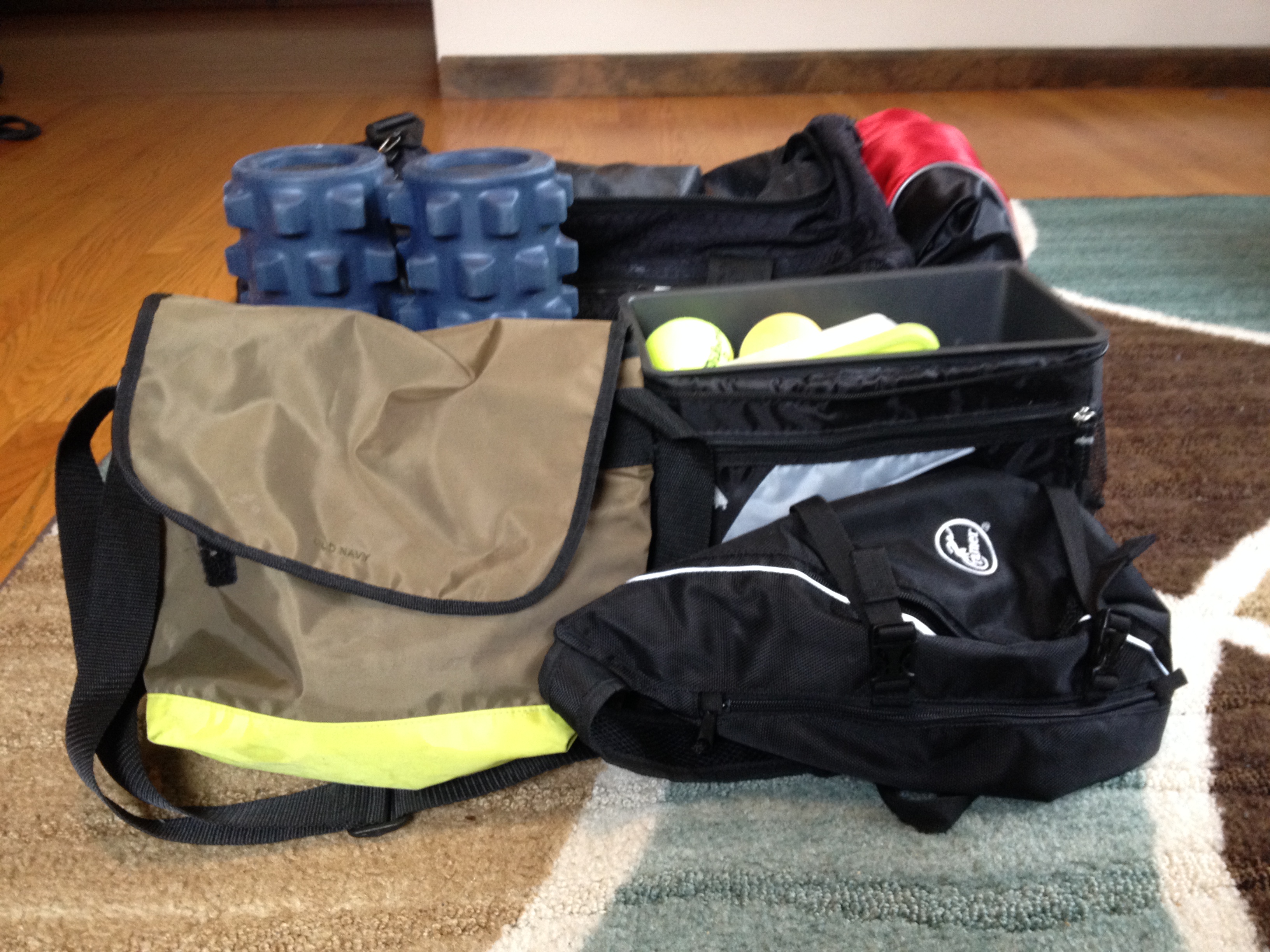
    Even with all of this “stuff”, it fits really nicely when you know how to put a gym bag together. Take a look at mine and see what I mean…

    Bag for site


    To get your bag looking like mine:), a few extra tips that are extremely simple and helpful to keep your bag neat and clean avoiding a dirty, smelly, disaster include…

    1.   Buy a bag you can wash and that is big enough to hold what you need.
    2.  Use smaller bags (I use lunch bags etc.), a shower caddy, and things like toothbrush holders as mini organizers.


    3.  Keep your bag in your trunk, office or wherever will allow you to just up and go.
    4.  Purchase separate or smaller size items to store in your bag so you don’t have to take them in and out every time you go to the gym.

    While it’s not mandatory, it is very useful to  have access to the tools you need, or to even be prepared for a potentially harmful situation while undergoing any type of training or physical activity. I don’t just recommend this post for trainers, coaches of sports teams, or for the average gym goer, but to everyone and anyone. Extra supplies can only help you have a more safe, effective, and successful training session.